Buffer Blending Preparation Tank
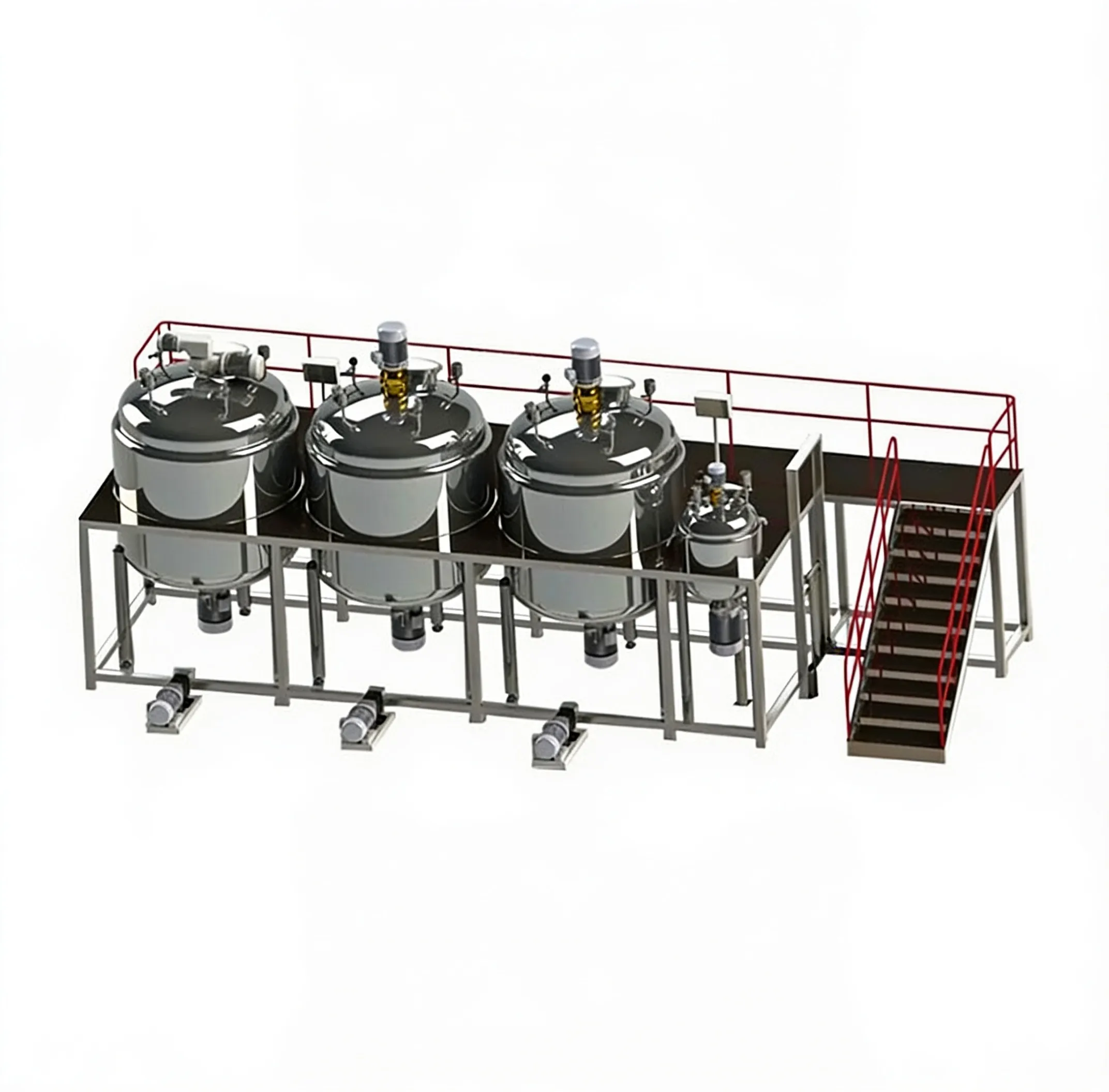
Liquid Mixing & Agitation Tank for Liquid Preparation and Storage
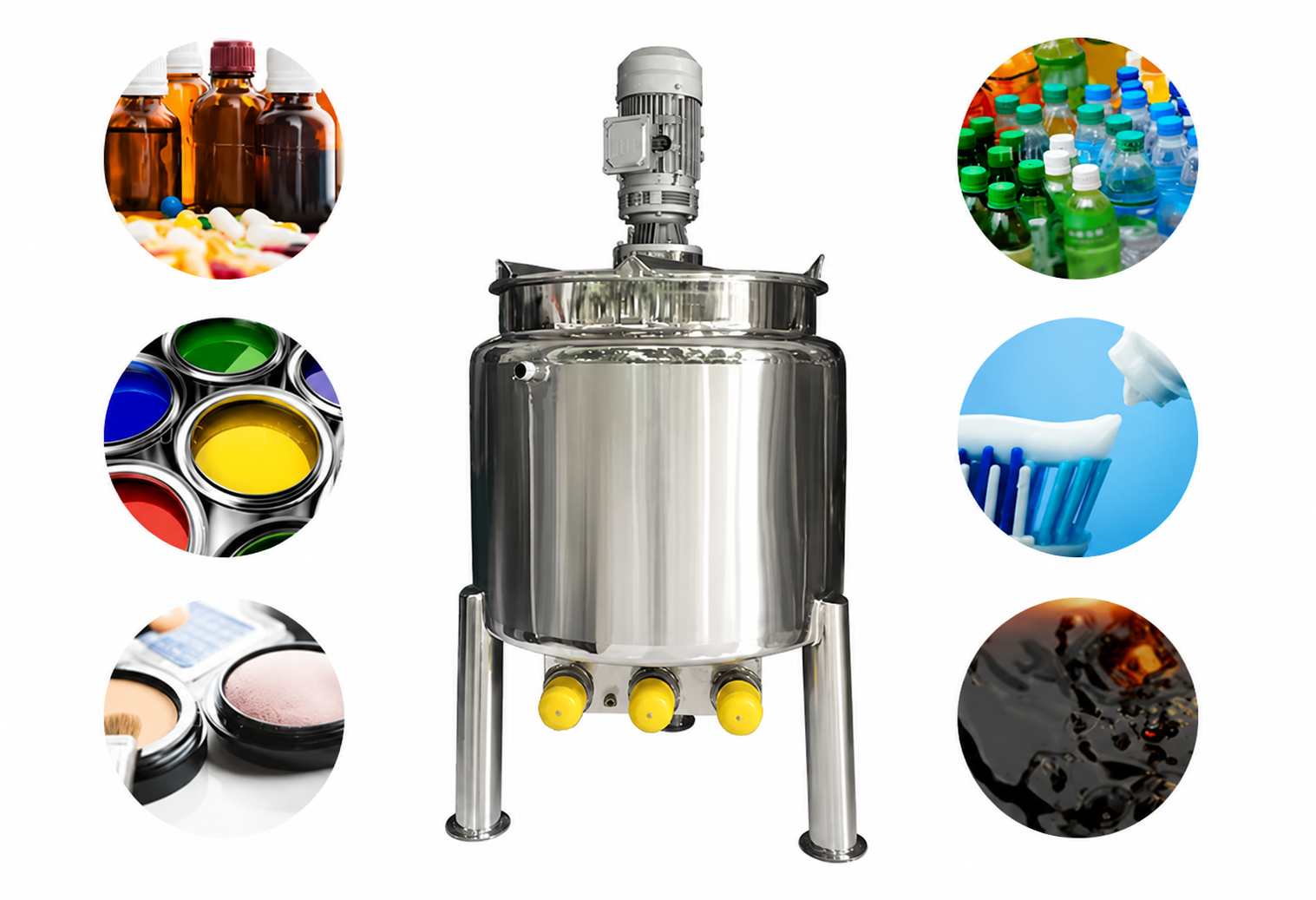
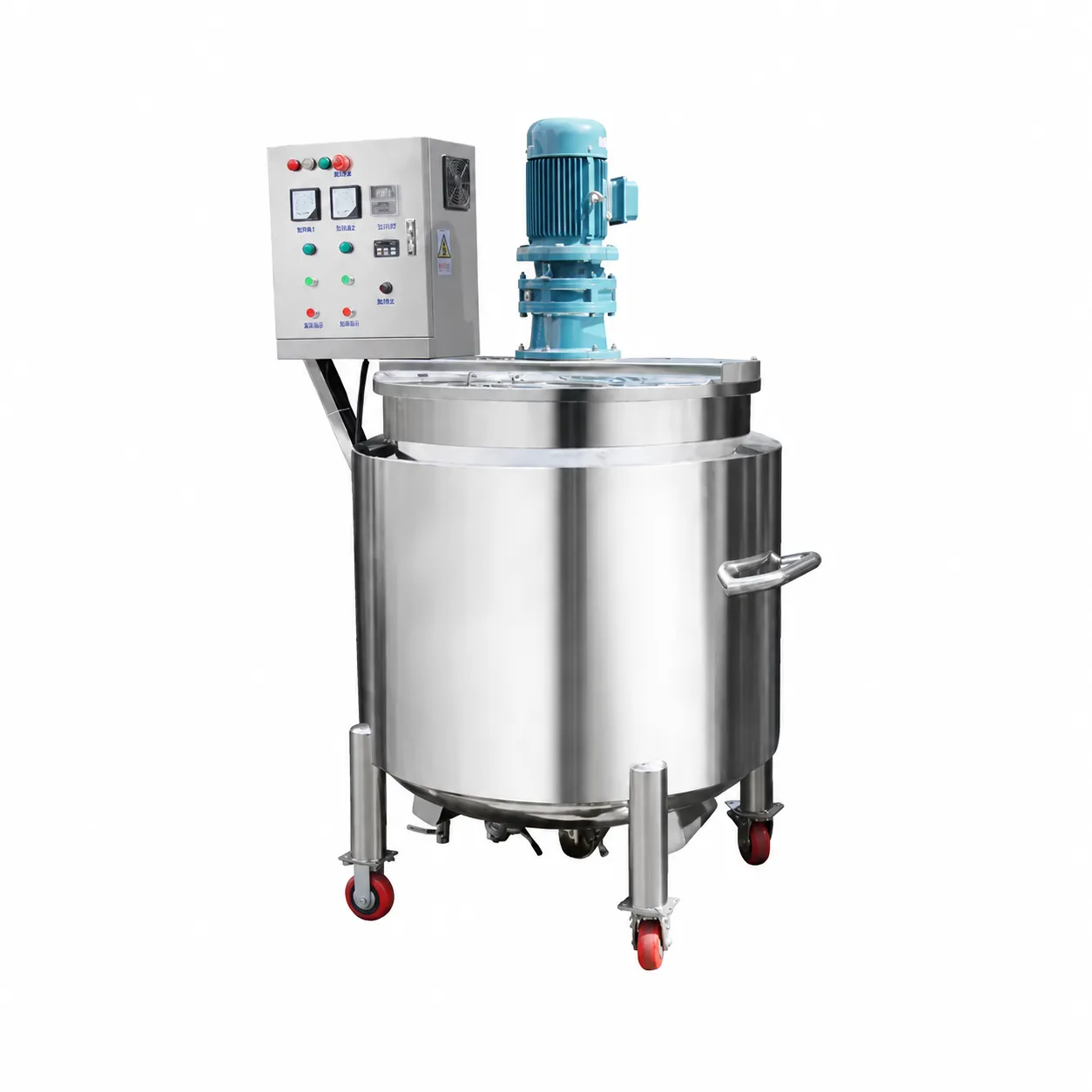
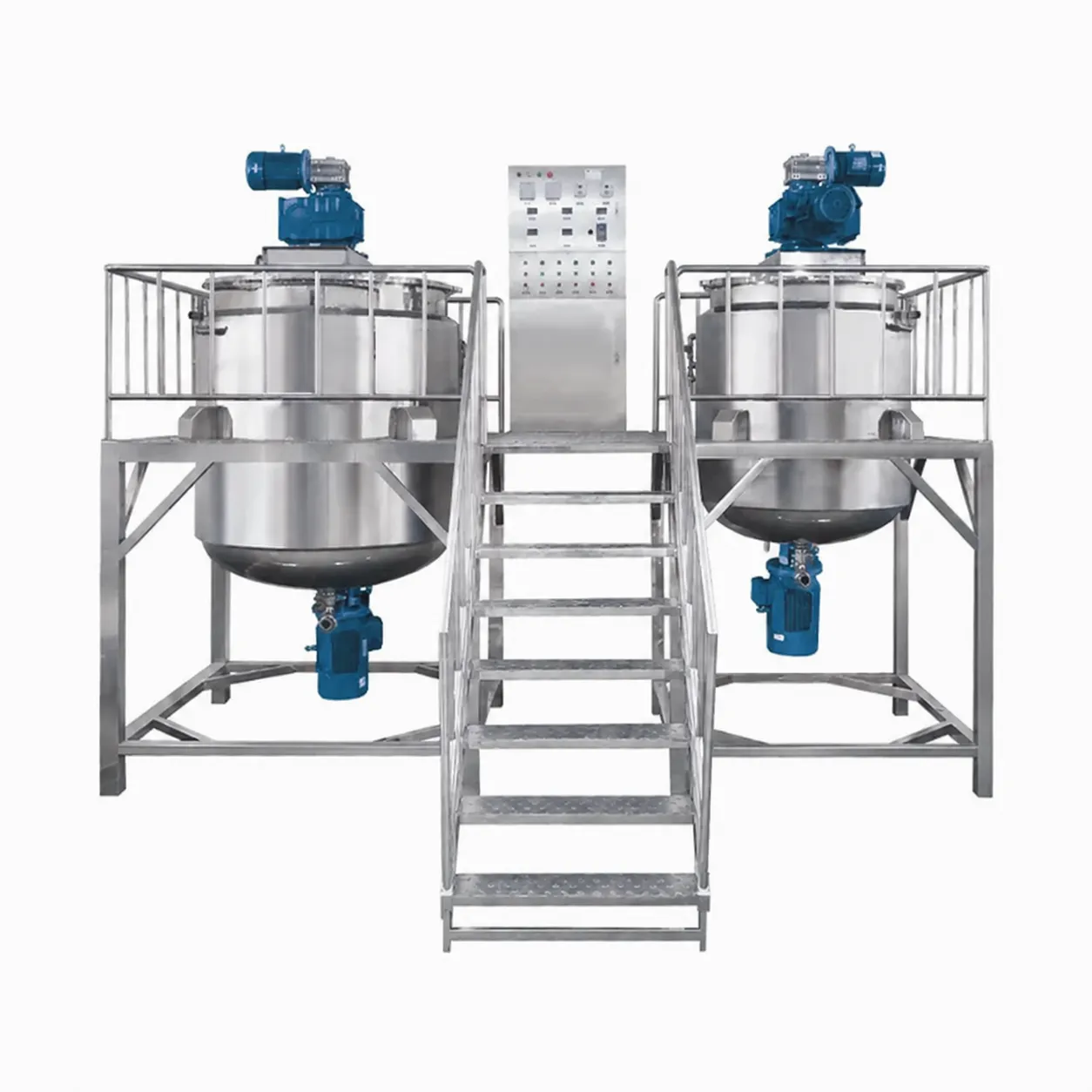
This liquid mixing and agitation tank is independently designed and developed by Aelt. It is mainly suitable for formulating liquid washing products such as detergents, shampoos, body washes, hand-washing liquids and more. It integrates functions including automatic feeding, AES dissolution, stirring, homogenization, heating, cooling, pumping and discharging. It is an ideal piece of equipment for manufacturers at home and abroad to formulate washing products.
PRODUCT DESCRIPTION
Description
Storage mixing tanks are engineered vessels designed for the safe containment and management of liquids,
semi-liquids, or gases across sanitary and industrial environments.
They are commonly manufactured from Stainless steel to ensure hygiene,
corrosion resistance, and long-term durability.
These tanks are widely used in food and beverage processing, pharmaceuticals,
chemicals, cosmetics, and water treatment systems.
Their designs can include vertical or horizontal configurations,
insulated or non-insulated structures, and optional features such as agitators,
level indicators, and manways. By providing controlled, hygienic storage,
storage tanks help maintain product stability, prevent contamination, and support efficient production workflows.
Have different kinds of agitators:
1, Bottom magnetic agitator with propeller impeller, speed from 50-400rpm or 50-800rpm. this kind of agitator is mixing thin viscosity , such as eyedrop, injection, CIP liquid, water, etc.
2, Top mechancial agitator with propeller impeller, speed at fix 71rpm or adjustable 20-200rpm or special requirement. this kind of agitator is mixing syrup, injection, blood, oral liquid, culture media, etc.
3, Top mechanical agitator with anchor or frame impeller, speed is from 10-70rpm. it is mixing higher viscosity , such as sediment or viscosity oral liquid, etc.
4, Top emusification homogenizer, speed max 2900rpm for small vessel, 1480rpm for bigger tank. this kind of agitator is mixing most high viscosity , such as suspension, oil, fat emulsification , etc.
5, Bottom emusification homogenizer, speed max 2900rpm for small vessel, 1480rpm for bigger tank. this kind of agitator is mixing most high viscosity , such as suspension, oil, fat emulsification , etc.
Working Principle
The working principle of storage tanks focuses on secure containment combined
with controlled handling of stored media. Fluids enter the tank through inlet connections and
are held under stable pressure and temperature conditions suited to the process requirements.
Depending on application needs, tanks may integrate mixing, heating, cooling,
or circulation systems to maintain uniform composition.
Outlets allow controlled discharge for downstream processing,
while venting and sealing components ensure safety and cleanliness.
Through precise structural design and process control, storage tanks enable reliable material management,
reduced losses, and consistent product quality throughout industrial and sanitary operations.
Capacity: 100 L – 10,000 L
Material Finish: Ra ≤ 0.6–0.8 μm
Agitator Type: Top-mounted / Bottom-mounted / Magnetic / None
Mixing Speed: 5 – 120 rpm (VFD adjustable)
Temperature Range: -20 °C to 150 °C
Pressure: Atmospheric,Vacuum (≤ -0.098 MPa),Pressurized (≤ 0.3 MPa)
Jacket Type: Single jacket / Dimple jacket / Coil jacket / No jacket
Standards: 3A / FDA / GMP / ASME
Quality guarantee of 3 years
ISO 9001, FDA, SGS approved materials
7-10 days fast delivery on urgent requirements
20 years' Rich exporting experience to make you easy and happy with custom work
Stainless steel sanitary tanks are widely used in high-cleanliness industries and have the following significant feature:
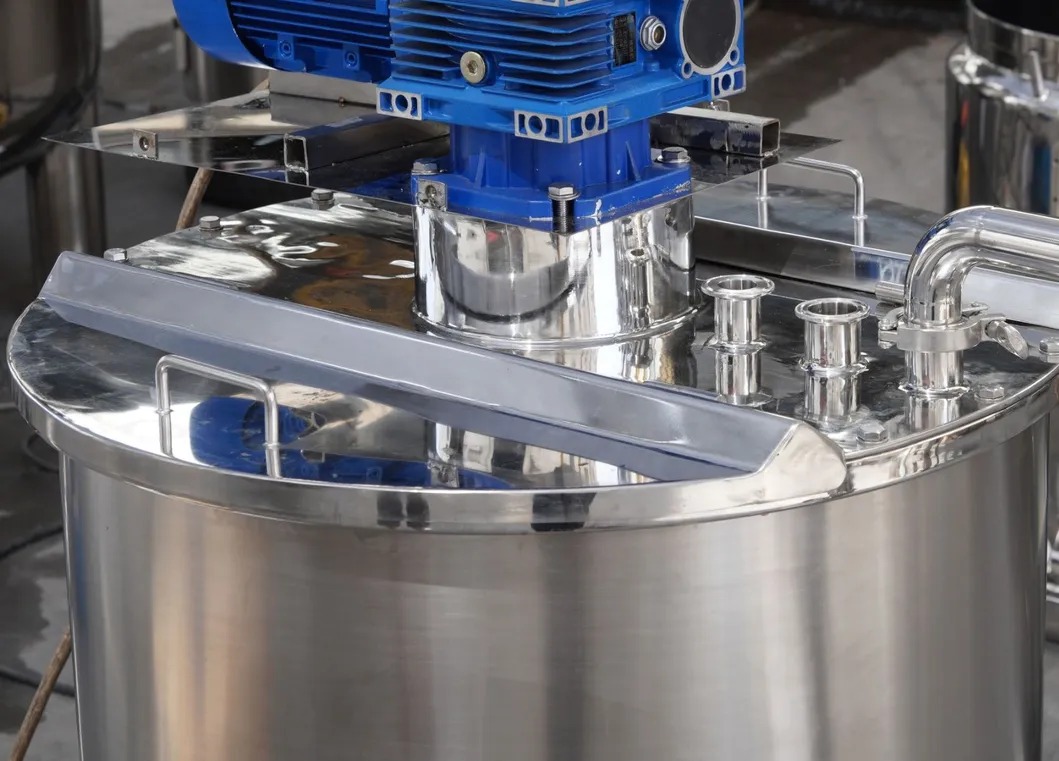
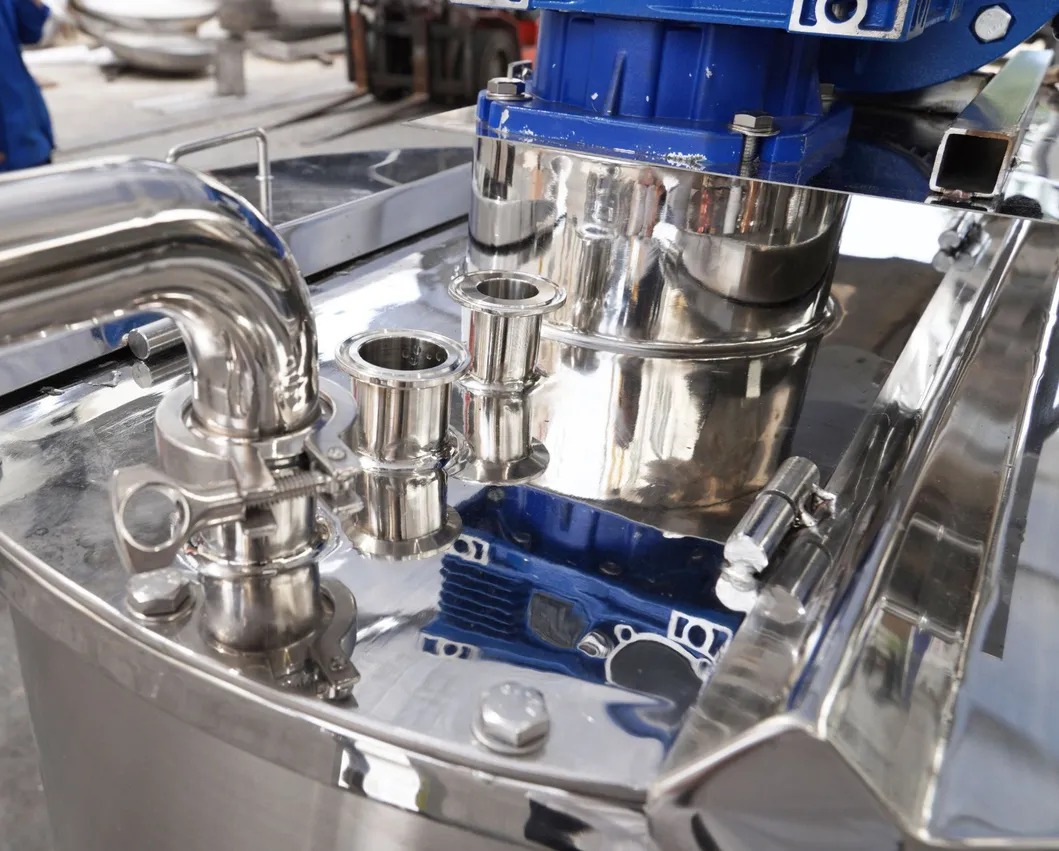
1.High hygienic performance ensures safe storage of sensitive liquids,
effectively preventing contamination while maintaining product purity,
stability, and compliance with strict food, pharmaceutical,
and cosmetic processing standards throughout long-term storage cycles.
2.Excellent corrosion resistance allows storage tanks to handle aggressive
or high-purity media reliably, extending service life, reducing maintenance frequency,
and ensuring consistent performance under demanding sanitary and industrial operating conditions.
3.Flexible capacity and design options support customized process integration,
enabling efficient storage, buffering, and material management for batch
or continuous production lines across diverse processing environments.
4.Stable structural strength enables safe operation under controlled pressure
and temperature, ensuring reliable containment, minimizing leakage risks,
and supporting consistent downstream process performance in industrial applications.
5.Efficient thermal compatibility allows integration with heating or cooling systems,
helping maintain optimal material conditions, improve energy utilization,
and support precise temperature control during storage and transfer operations.
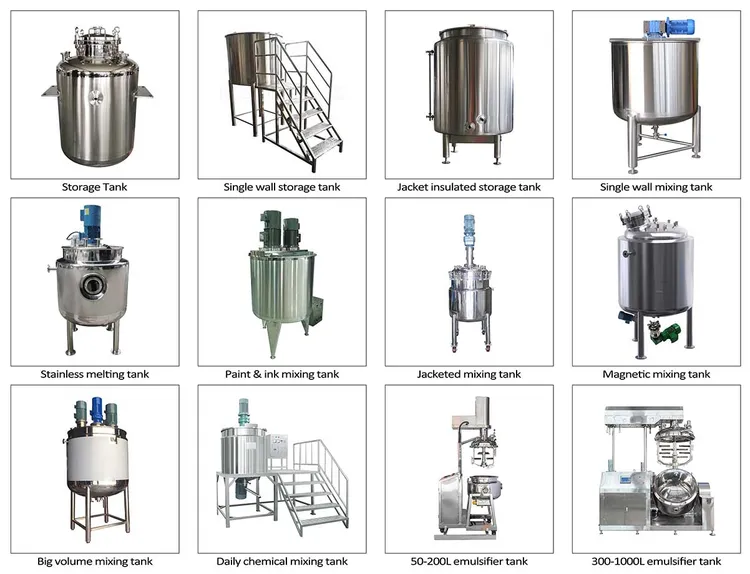
Related Product Display
FAQ
Q: How about payment term, payment safety and delivery time?
A: We accept 40% deposit, balance before shipment. And Irrevocable L/C at sight.Delivery time is 7 to 30 days. It is according to order quantity.
Q: How could we confirm the products?
A: Our professional engineers will follow up all the designs and ajustments according to your requirement.OEM and ODM available.
Q: What services can we provide?
A:Accepted Delivery Terms: FOB,CFR,CIF,EXW,DDP,DDU,Express Delivery;
Accepted Payment Currency:USD,EUR,CNY;
Accepted Payment Type: T/T,L/C,Credit Cardl,Western Union,Alipay;
Q: How can I know your machine works well?
A: Before delivery, we shall test the machine working condition for you.
Q: What's your MOQ?
A: 1 set.
Production Buffer Blending Preparation Tank – Comprehensive Guide
1. Introduction
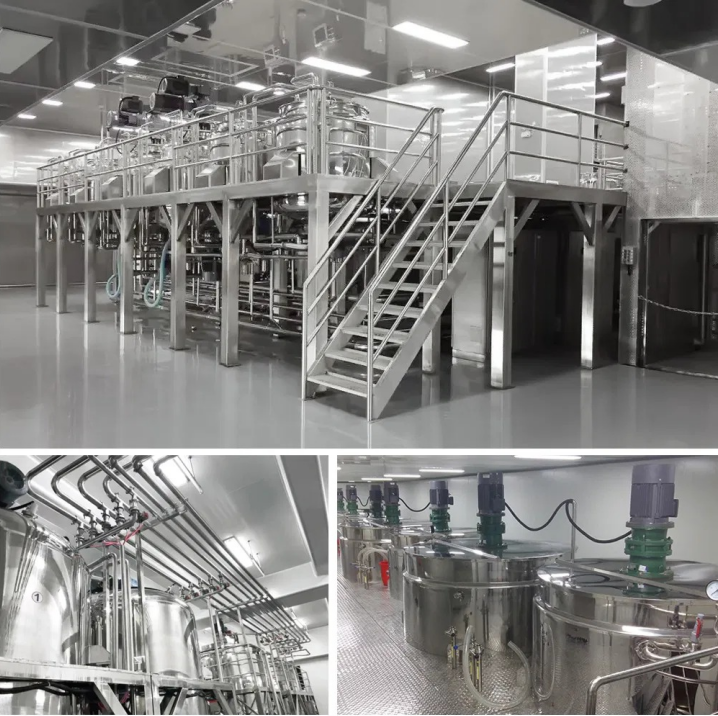
The Production Buffer Blending Preparation Tank is a critical component in modern industrial processing. Engineered for precise liquid handling, mixing, and storage, these tanks are widely used in pharmaceutical, food, chemical, and cosmetic industries. Optimized for sanitary operations, they ensure high efficiency, product consistency, and regulatory compliance.
In today’s competitive manufacturing environment, the ability to maintain uniform product quality while reducing processing time is paramount. Production buffer blending tanks meet these needs by combining robust construction, intelligent design, and versatile functionality, supporting large-scale batch operations without compromising hygiene or performance.
2. Definition and Purpose
A Production Buffer Blending Preparation Tank is a vessel designed for preparing, mixing, and temporarily storing liquid formulations before they move to downstream processing. The term “buffer” refers to its role in stabilizing production flow, ensuring continuous operations without interruptions.
Primary purposes include:
·
Homogenizing raw materials or intermediate solutions
·
·
Maintaining consistent temperature and viscosity
·
·
Acting as an intermediate storage to manage production flow
·
·
Supporting batch or continuous production processes
·
These tanks are engineered to prevent contamination, minimize manual intervention, and improve process efficiency, making them essential in modern manufacturing.
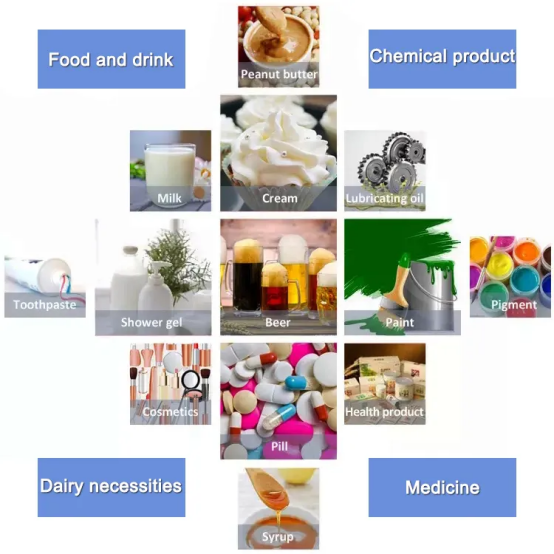
3. Applications Across Industries
Production buffer blending tanks are highly versatile and are utilized across multiple sectors:
Industry | Application |
Pharmaceutical | Pre-mixing active pharmaceutical ingredients (APIs) and excipients for tablet, capsule, or liquid formulations |
Food & Beverage | Mixing syrups, sauces, juices, or dairy products to maintain uniform quality |
Chemical | Blending chemicals for detergents, adhesives, and specialty formulations |
Cosmetics | Preparing lotions, creams, and liquid cosmetics under controlled conditions |
Biotechnology | Maintaining sterile conditions for enzyme solutions, culture media, and fermentation processes |
Their broad applicability is due to precise control over mixing, temperature, and contamination prevention, ensuring consistent product quality.
4. Key Features and Advantages
Features:
·
High-grade Stainless steel construction for durability and hygiene
·
·
Sanitary design to comply with food and pharmaceutical standards
·
·
Temperature-controlled jacket or coils for heating/cooling
·
·
Variable speed agitators for thorough mixing
·
·
Automated level and flow control
·
·
Optional CIP (Clean-In-Place) system
·
Advantages:
·
Ensures product uniformity across batches
·
·
Reduces manual labor and human error
·
·
Supports both batch and continuous production
·
·
Enhances production efficiency and throughput
·
·
Minimizes contamination risk
·
·
Extends equipment lifespan through robust design
·
5. Material Construction and Standards
Most tanks are constructed from 316L stainless steel, which resists corrosion and is compatible with most liquid formulations. Surface finishing is typically 0.4–0.6 μm Ra, ensuring smooth, cleanable surfaces suitable for sanitary processes.
Standards Compliance:
·
FDA 21 CFR Part 11 (food and pharmaceutical safety)
·
·
ASME Section VIII (pressure vessel standard)
·
·
GMP/ISO hygiene standards
·
·
EHEDG (European Hygienic Engineering & Design Group) recommendations
·
High-quality materials and compliance ensure safety, durability, and compatibility with sensitive ingredients.
6. Design and Functional Components
Core components of a Production Buffer Blending Preparation Tank include:
1.
Tank Body: Cylindrical or conical design for efficient mixing and discharge
2.
3.
Agitator: Variable-speed impeller for uniform blending
4.
5.
Jacket/Coil: For heating or cooling, controlling temperature-sensitive processes
6.
7.
Inlet/Outlet Ports: For raw materials, recirculation, and product discharge
8.
9.
Sensors & Instrumentation: Pressure, temperature, and level sensors for monitoring
10.
11.
Lid/Cover: Sealed design for contamination prevention
12.
13.
CIP Spray Ball (optional): Automated internal cleaning system
14.
These design features ensure high flexibility, sanitary compliance, and operational reliability.
7. Process Control and Automation
Modern production buffer tanks often integrate automation systems to optimize performance:
·
PLC (Programmable Logic Controller) or SCADA interface
·
·
Automated mixing speed and temperature control
·
·
Batch tracking and process logging
·
·
Alarm systems for safety breaches
·
Automation reduces human error, improves product consistency, and allows real-time process monitoring, which is essential for regulatory compliance and efficiency.
8. Maintenance and Sanitation
Proper maintenance is essential for longevity and hygiene:
·
Routine cleaning using CIP or manual sanitation
·
·
Regular inspection of seals, gaskets, and agitator components
·
·
Monitoring for corrosion or wear
·
·
Calibration of sensors and instruments
·
Sanitation protocols prevent contamination, extend equipment life, and maintain product quality.
9. Safety Considerations
Production buffer blending tanks must comply with industrial safety regulations:
·
Pressure relief valves to prevent overpressure
·
·
Explosion-proof design for flammable liquids
·
·
Emergency shutdown and alarms
·
·
Grounding and bonding to prevent static discharge
·
·
Personnel safety protocols during operation
·
Safety is paramount, especially in pharmaceutical and chemical applications.
10. Technical Specifications (Sample Table)
Parameter | Typical Range |
Capacity | 500 L – 10,000 L |
Material | 316L Stainless Steel |
Agitator Speed | 20 – 200 RPM |
Surface Finish | 0.4 – 0.6 μm Ra |
Operating Pressure | Atmospheric – 0.5 bar |
Operating Temperature | 0 – 120°C |
Heating/Cooling Jacket | Steam, water, or glycol |
Sensor Types | Temperature, pressure, level |
Cleaning | CIP or manual |
Compliance | FDA, GMP, ASME |
11. Comparison with Other Mixing Tanks
Feature | Production Buffer Tank | Standard Mixing Tank |
Batch Preparation | Yes | Sometimes |
Temperature Control | Optional | Rare |
Sanitary Design | High | Medium |
Automation | High | Medium |
Regulatory Compliance | FDA/GMP | Varies |
Application | Pharmaceutical, Food, Chemical | General Industrial |
This shows why buffer blending tanks are preferred in high-precision industries.
12. Conclusion
Production Buffer Blending Preparation Tanks are indispensable in modern industrial manufacturing. They ensure consistent product quality, reduce processing time, and enhance operational efficiency. With advanced materials, automated controls, and sanitary design, these tanks are suited for pharmaceutical, food, chemical, and cosmetic industries. Proper selection, maintenance, and compliance maximize production value and reliability.
 +86 29-87031531






 Phone
Phone