How Conical fermenter Helps Achieve Brewing Precision
A conical fermenter is one of the most important pieces of brewing equipment for producers who want better control, cleaner fermentation, and more consistent beer quality. In both craft brewing and home brewing, precision matters at every stage of the process. From yeast management to sediment removal, the shape and function of a conical fermenter support a more controlled and efficient fermentation environment. For breweries that want repeatable results, improved clarity, and easier process management, the conical fermenter has become a trusted standard.
This guide explains how conical fermenters help achieve brewing precision, what makes them different from other Fermentation vessels, why their design improves fermentation control, and which specifications are commonly evaluated when choosing one. The information below is industry-focused, vendor-neutral, and suitable for use in blog content, category pages, or brewing equipment reference pages.
What Is a Conical Fermenter?
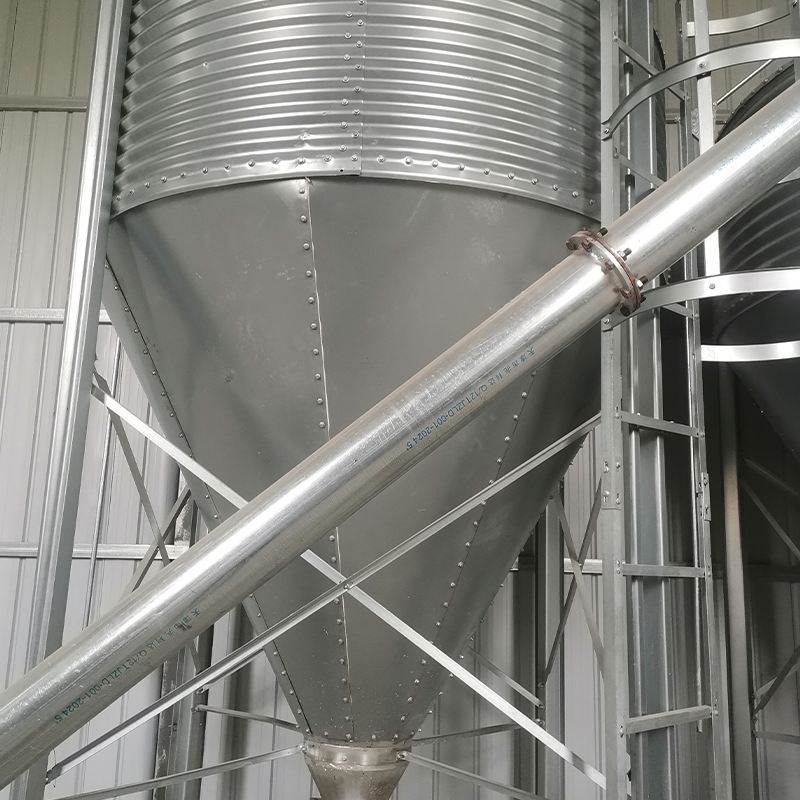
A conical fermenter is a fermentation vessel with a cone-shaped bottom that allows yeast, trub, and other solids to settle at the lowest point. This bottom geometry makes it easier to collect and remove sediment without disturbing the beer above it. Unlike flat-bottom fermenters, the conical design supports a cleaner fermentation process and a more precise separation between liquid and solids.
In brewing, precision means controlling variables such as temperature, yeast health, fermentation timing, sediment removal, and oxygen exposure. A conical fermenter supports all of these by improving access, visibility, and process control. The vessel is commonly used in home brewing, small craft breweries, pilot systems, and commercial production environments because it helps create more repeatable fermentation conditions.
Why Brewing Precision Matters
Brewing precision is the foundation of consistent beer quality. Even small changes in fermentation can affect flavor, aroma, carbonation, mouthfeel, and shelf stability. A precise process helps brewers reduce batch-to-batch variation and maintain a stable product profile.
Key areas where precision matters include:
- Temperature control during active fermentation
- Yeast management for healthy and repeatable fermentation performance
- Trub removal to reduce off-flavors and sediment issues
- Oxygen control to protect flavor stability
- Sanitation to prevent contamination and improve consistency
- Process timing for transfers, dry hopping, and yeast Harvesting
A conical fermenter helps improve each of these areas. For this reason, it is often considered a precision brewing vessel rather than just a fermentation tank.
The precision benefits of a conical fermenter come from its structural design and operational flexibility. The cone at the bottom is not only a shape advantage; it directly improves separation, monitoring, and process control throughout fermentation.
1. Better Sediment Separation
One of the most important benefits of a conical fermenter is effective sediment collection. During fermentation, yeast cells, protein material, hop residue, and cold break settle to the bottom. In a conical vessel, these solids naturally fall into the cone, where they can be drained or removed without disturbing the clear beer above.
This separation improves precision because the brewer can control exactly when and how sediment is removed. It also helps reduce unwanted contact between beer and spent yeast, which can otherwise contribute to harsh flavors or autolysis in longer fermentations.
2. Easier Yeast Harvesting
Conical fermenters make yeast harvesting much more precise. Because yeast settles in a concentrated area at the bottom, it can be collected for reuse with less contamination from trub and other solids. This is especially valuable in breweries that reuse yeast for multiple batches.
Precise yeast collection supports:
- More consistent fermentation performance
- Reduced yeast waste
- Better control over pitch rates
- Lower variation between batches
Yeast management is one of the most important factors in brewing precision, and the conical fermenter gives brewers more control over this step.
3. Improved Clarity Control
Beer clarity is closely linked to fermentation precision. The cone-shaped bottom allows brewers to remove sediment before packaging, reducing haze and improving visual quality. While filtration and fining may still be used, the conical fermenter provides a cleaner starting point.
For breweries aiming for consistent appearance, a conical fermenter helps maintain clarity by limiting the amount of solids carried into the final product. This supports more predictable finishing and conditioning results.
4. Reduced Oxygen Exposure
Oxygen exposure can negatively affect beer flavor and shelf life. A conical fermenter helps minimize oxygen contact because sediment removal, transfers, and yeast harvesting can be done more efficiently and with fewer vessel openings. Many conical designs also include bottom valves and sealed ports that support more controlled handling.
By reducing unnecessary exposure during fermentation management, brewers can maintain better flavor stability and reduce the risk of oxidation-related defects.
5. More Accurate Fermentation Monitoring
Conical fermenters often provide better access to the vessel for sensors, thermometers, sample ports, pressure fittings, and other monitoring equipment. This makes it easier to track fermentation progress in real time.
Accurate monitoring allows brewers to make better decisions about:
- Temperature adjustments
- Fermentation completion
- Dry hop timing
- Yeast removal
- Transfer readiness
When fermentation data is more accessible and easier to interpret, precision improves across the entire brewing process.
Key Precision Advantages of a Conical Fermenter
The following table summarizes the main ways a conical fermenter supports precision in brewing:
Precision Area |
How the Conical Fermenter Helps |
Brewing Benefit |
|---|
Sediment control |
Collects yeast and trub in the cone bottom |
Cleaner beer and easier separation |
Yeast harvesting |
Concentrates yeast in one removable zone |
Reusable yeast with less contamination |
Temperature management |
Often compatible with cooling and monitoring systems |
More stable fermentation conditions |
Oxygen reduction |
Supports closed transfers and fewer openings |
Lower oxidation risk |
Clarity improvement |
Allows removal of solids before packaging |
Better visual quality and cleaner flavor |
Process timing |
Enables controlled draining, sampling, and dumping |
More accurate fermentation workflow |
Batch consistency |
Improves repeatability across brews |
Reliable results and scalable quality |
How Conical Fermenters Support Temperature Precision
Temperature is one of the most critical variables in fermentation. Yeast behavior changes significantly depending on heat and cooling conditions. Too much heat can generate off-flavors, while too little can slow fermentation or cause incomplete attenuation.
Conical fermenters support temperature precision in several ways. Many models are designed to work with jacketed cooling systems, external temperature controllers, or insulation layers. This allows brewers to keep fermentation within a desired range and respond quickly to changes in activity.
Precise temperature control helps with:
- Cleaner ester profiles
- Reduced fusel alcohol production
- More predictable attenuation
- Better yeast performance
- Stable fermentation kinetics
In brewing, even a few degrees can matter. The conical fermenter makes it easier to hold target temperatures and therefore improves precision in flavor development and fermentation speed.
How Conical Fermenters Improve Yeast Management
Yeast is not just a fermentation agent; it is a core part of the beer profile. Healthy yeast management is essential for precise brewing. A conical fermenter gives brewers more control over how yeast is collected, separated, repitched, and removed.
Because yeast settles at the cone, the brewer can dump unwanted material first and then harvest cleaner yeast later in the process. This staged approach provides more control than flat-bottom vessels, where solids tend to mix and collect less efficiently.
Benefits of precise yeast management include:
- Improved viability for repitching
- More consistent fermentation from batch to batch
- Better control of pitching rates
- Reduced contamination risk
- Lower operating cost over time
For breweries that reuse yeast frequently, the conical fermenter can significantly improve workflow efficiency and fermentation consistency.
How the Conical Shape Improves Solids Removal
The defining feature of a conical fermenter is its cone-shaped bottom. This shape plays a major role in precision because it naturally guides sediment toward one collection point. Trub, yeast, and particulate matter settle in a tighter area rather than spreading across a flat bottom surface.
This makes solids removal more exact and manageable. Brewers can open a bottom valve to remove the lower layer while leaving most of the beer untouched. As a result, the transfer process is cleaner and more controlled.
The cone shape also helps with:
- Less product loss during dumping
- More focused sediment collection
- Better control over fining and clarification steps
- Improved batch separation during multi-stage fermentation
When solids can be removed accurately, the overall fermentation process becomes easier to standardize.
Precision During Dry Hopping and Secondary Steps
Many brewers use conical fermenters to improve timing and control during dry hopping or secondary conditioning. Because solids can be removed cleanly, the vessel can be managed more efficiently between stages.
A conical fermenter allows brewers to:
- Add hops at the right stage of fermentation
- Remove hop matter after extraction
- Control contact time more precisely
- Reduce vegetal flavors from overexposure
When using secondary fermentation or conditioning, the ability to separate sediment and control vessel contents supports better flavor precision. This is especially useful in hop-forward beer styles where timing is critical.
Conical Fermenter vs Traditional Fermenter
To understand why the conical fermenter is linked with brewing precision, it helps to compare it with traditional fermentation vessels. Standard cylindrical or flat-bottom fermenters can work well, but they often offer less efficient sediment separation and less convenient yeast harvesting.
Feature |
Conical Fermenter |
Traditional Fermenter |
|---|
Sediment separation |
Highly efficient |
Less efficient |
Yeast harvesting |
Cleaner and easier |
More difficult |
Oxygen exposure |
Lower during handling |
Often higher |
Clarity improvement |
Strong |
Moderate |
Monitoring access |
Flexible |
Varies |
Process control |
High |
Moderate |
Batch repeatability |
Very good |
Good, but less controlled |
While traditional fermenters may be suitable for certain operations, conical fermenters are usually preferred where precision, consistency, and yeast recovery are priorities.
Common Materials Used in Conical Fermenters
Material choice also affects precision, sanitation, and durability. Conical fermenters are commonly made from Stainless steel, though some smaller systems may use plastic or food-grade alternatives. The best material depends on scale, budget, and operational requirements.
Material |
Main Advantages |
Typical Use |
|---|
Stainless steel |
Durable, sanitary, corrosion resistant, long service life |
Home, craft, and commercial brewing |
Food-grade plastic |
Lightweight, affordable, easy to handle |
Small-scale or entry-level brewing |
Glass |
Visible fermentation, non-reactive |
Some home brewing applications |
Jacketed stainless steel |
Excellent temperature precision and process control |
Professional brewing systems |
For precision-focused brewing, stainless steel is often preferred because it supports sanitation, durability, and integration with modern brewing controls.
Important Specifications to Consider
When evaluating a conical fermenter, several specifications influence performance and precision. These details help determine how well the vessel supports controlled brewing conditions.
Specification |
Why It Matters |
What to Look For |
|---|
Capacity |
Should match batch size and production goals |
Appropriate working volume with headspace |
Cone angle |
Affects solids settling and removal efficiency |
Angle suitable for yeast and trub collection |
Material grade |
Impacts sanitation and durability |
Food-safe, corrosion-resistant construction |
Drain valve |
Used for sediment discharge and transfer control |
Reliable, easy-to-clean bottom outlet |
Pressure rating |
Important for closed fermentation systems |
Rated for intended operating conditions |
Cooling capability |
Supports temperature precision |
Jacketed or compatible with external cooling |
Sample port |
Allows process monitoring |
Easy access without contamination risk |
Cleaning access |
Critical for sanitation and consistency |
Wide openings or CIP-friendly design |
How Conical Fermenters Improve Sanitation
Sanitation is closely tied to brewing precision. A vessel that is easy to clean reduces the risk of contamination, off-flavors, and inconsistent results. Conical fermenters often support better sanitation because they are designed with smooth surfaces, clear access points, and efficient drainage.
When solids can be removed quickly and the vessel can be cleaned without excessive residue buildup, the brewer maintains a more controlled environment. This matters in professional brewing, where even minor contamination can affect many liters of product.
Sanitation benefits include:
- Less residue trapped in vessel corners
- More complete draining of sediment
- Better compatibility with cleaning systems
- Reduced contamination risk between batches
A clean fermenter is a precise fermenter. This is one reason conical fermenters are strongly associated with production consistency.
Brewing Styles That Benefit from Conical Fermenters
Although conical fermenters can be used for many beer styles, they are especially useful when precision in fermentation and clarity matters. Common examples include:
- Lagers – benefit from clean fermentation and sediment management
- IPAs – benefit from hop handling and reduced oxidation
- Pilsners – require high clarity and controlled fermentation
- Belgian ales – benefit from yeast management and temperature control
- Specialty beers – often require flexible process handling
In each case, the conical fermenter contributes to cleaner fermentation and more predictable final results.
Operational Best Practices for Precision Brewing
To get the full precision benefit from a conical fermenter, brewers should follow good operational practices. The vessel alone does not guarantee quality; it must be used properly as part of a controlled process.
- Maintain stable fermentation temperature
- Use correct yeast pitch rates
- Dump trub and sediment at the right times
- Minimize unnecessary vessel openings
- Sanitize all ports, valves, and fittings carefully
- Monitor gravity, temperature, and fermentation activity regularly
- Use closed or low-oxygen transfers when possible
These practices help unlock the precision potential of the conical fermenter and improve the repeatability of brewing results.
Typical Conical Fermenter Specification Table
The following table shows a general example of common conical fermenter specifications. Exact values vary by design and application, but this gives a useful industry reference.
Specification Category |
Typical Range / Description |
Purpose |
|---|
Working volume |
Small home units to large commercial tanks |
Supports different batch sizes |
Material |
Food-grade stainless steel or other sanitary materials |
Durability and hygiene |
Cone angle |
Moderate to steep cone design |
Improves sediment collection |
Cooling system |
Optional jacketed or external cooling |
Improves temperature precision |
Pressure capability |
Atmospheric to pressure-rated designs |
Supports different fermentation methods |
Drainage |
Bottom valve or multiple outlet points |
Controls trub and yeast removal |
Access points |
Sample ports, manways, fittings |
Makes monitoring and maintenance easier |
Cleaning method |
Manual or CIP-compatible |
Supports sanitation and efficiency |
SEO-Relevant Summary: Why Conical Fermenters Matter
For brewers who want better control over fermentation, the conical fermenter offers a clear advantage. Its cone-shaped design supports precise sediment separation, cleaner yeast harvesting, improved temperature management, reduced oxygen exposure, and more consistent final beer quality. These benefits make the conical fermenter an essential vessel for precision brewing.
Whether used in a small craft brewery or a larger production environment, the conical fermenter helps create repeatable, efficient, and controlled fermentation workflows. It is especially valuable where batch consistency, flavor stability, and clarity are top priorities.
As brewing demands become more technical and quality expectations continue to rise, the role of the conical fermenter in achieving precision becomes even more important. Its design aligns with modern brewing needs by supporting accuracy, sanitation, and process efficiency in one vessel.
Conclusion
The question of how a conical fermenter helps achieve brewing precision can be answered through its design and operational benefits. By improving sediment removal, supporting cleaner yeast harvesting, reducing oxygen contact, enhancing sanitation, and enabling better monitoring, the conical fermenter gives brewers stronger control over the fermentation process.
For any brewing operation that values consistency, clarity, and quality, a conical fermenter is more than a container—it is a precision brewing tool. Its features directly support the technical demands of modern fermentation and help brewers produce more reliable and repeatable results across batches.
If your content strategy focuses on brewing equipment, fermentation control, or precision brewing systems, this topic provides strong SEO value with relevant keywords such as conical fermenter, brewing precision, fermentation control, yeast management, beer clarity, and Stainless steel fermenter.
 +86 29-87031531





 Phone
Phone
Comment
(0)