Wine making equipment
Winemaking equipment refers to heavy-duty, long-life machinery and stainless-steel vessels for commercial winery production. It covers the full production workflow: grape pretreatment, fermentation, clarification, storage, CIP cleaning,aging and bottling lines. These are capital assets, reusable for many years。
RODUCT DESCRIPTION
Description
While wine can theoretically be produced with just a few pieces of gear, proper tools are highly recommended. They not only simplify the brewing workflow but also help you make higher-quality wine.
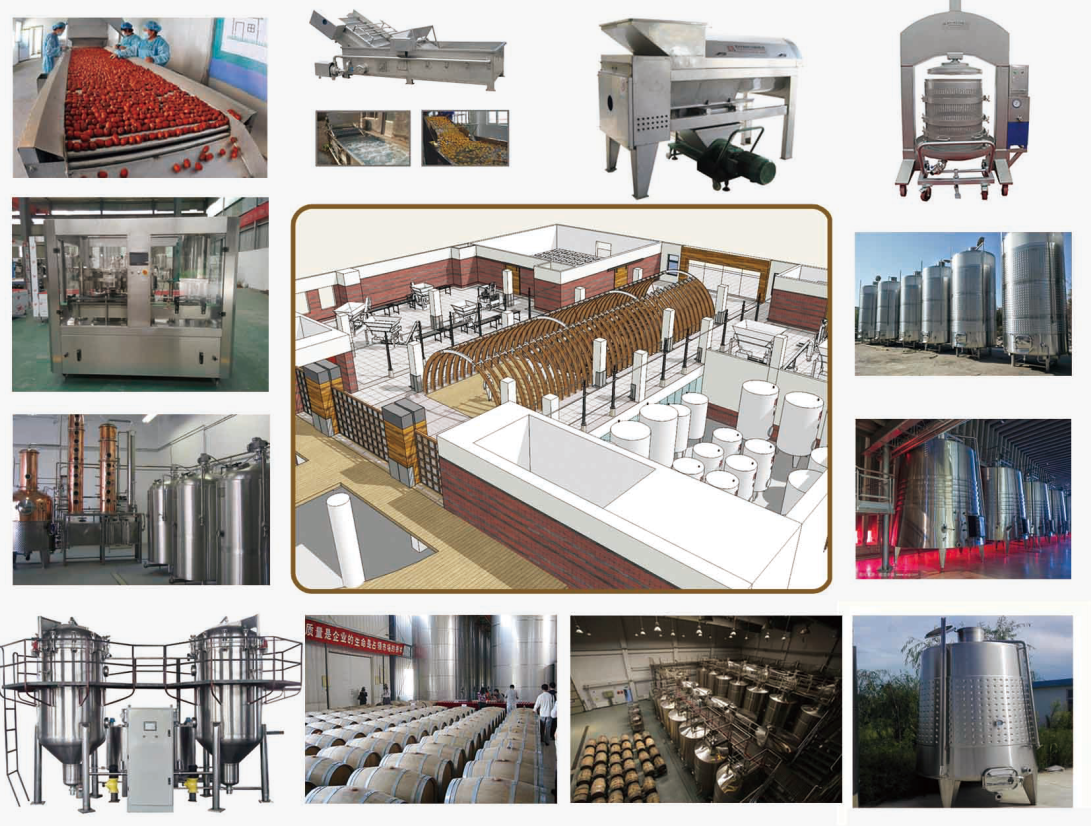
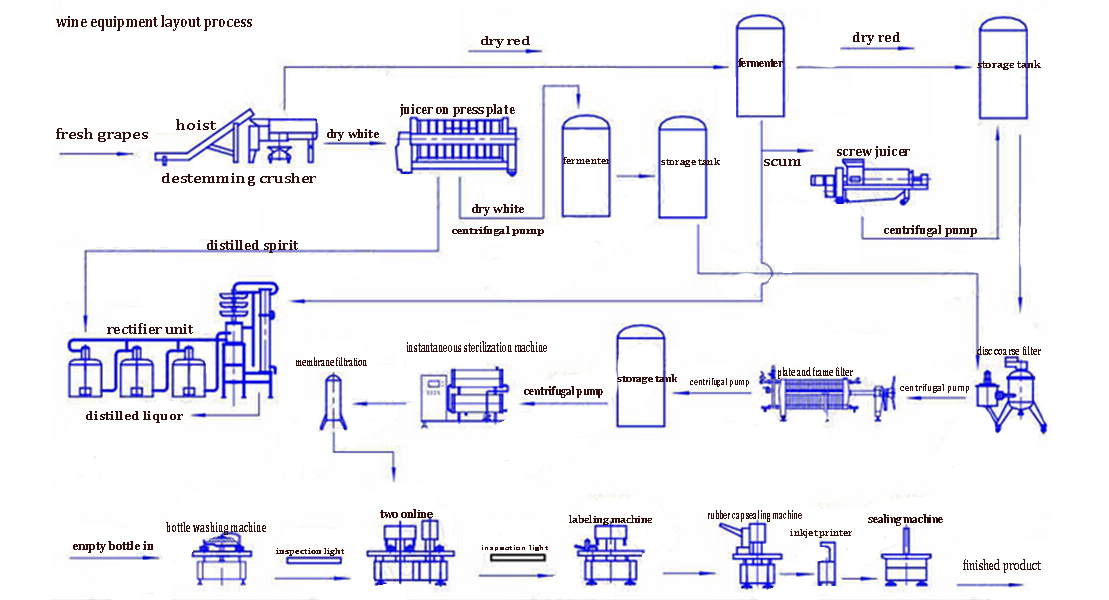
Wine is a beverage fermented from fresh grapes. Nutritious and low-alcohol, it delivers certain health benefits. Moderate consumption brings pleasant, healthy and tasty experiences, promotes blood circulation, acts as a diuretic, and may help prevent cardiovascular disorders and anemia. Main wine-processing machinery includes grape crushers, juice separators, presses, high-speed centrifuges, wine filling machines, as well as storage vessels such as fermentation tanks and Wine Storage Tanks. Below is a brief introduction to wine-making equipment.
Complete wine making equipment for winery, including grape destemmer crusher, pneumatic grape press, Wine Fermentation Tanks with cooling jacket, pump-over system, filter, wine storage tank, glycol chiller, CIP system and bottling line.
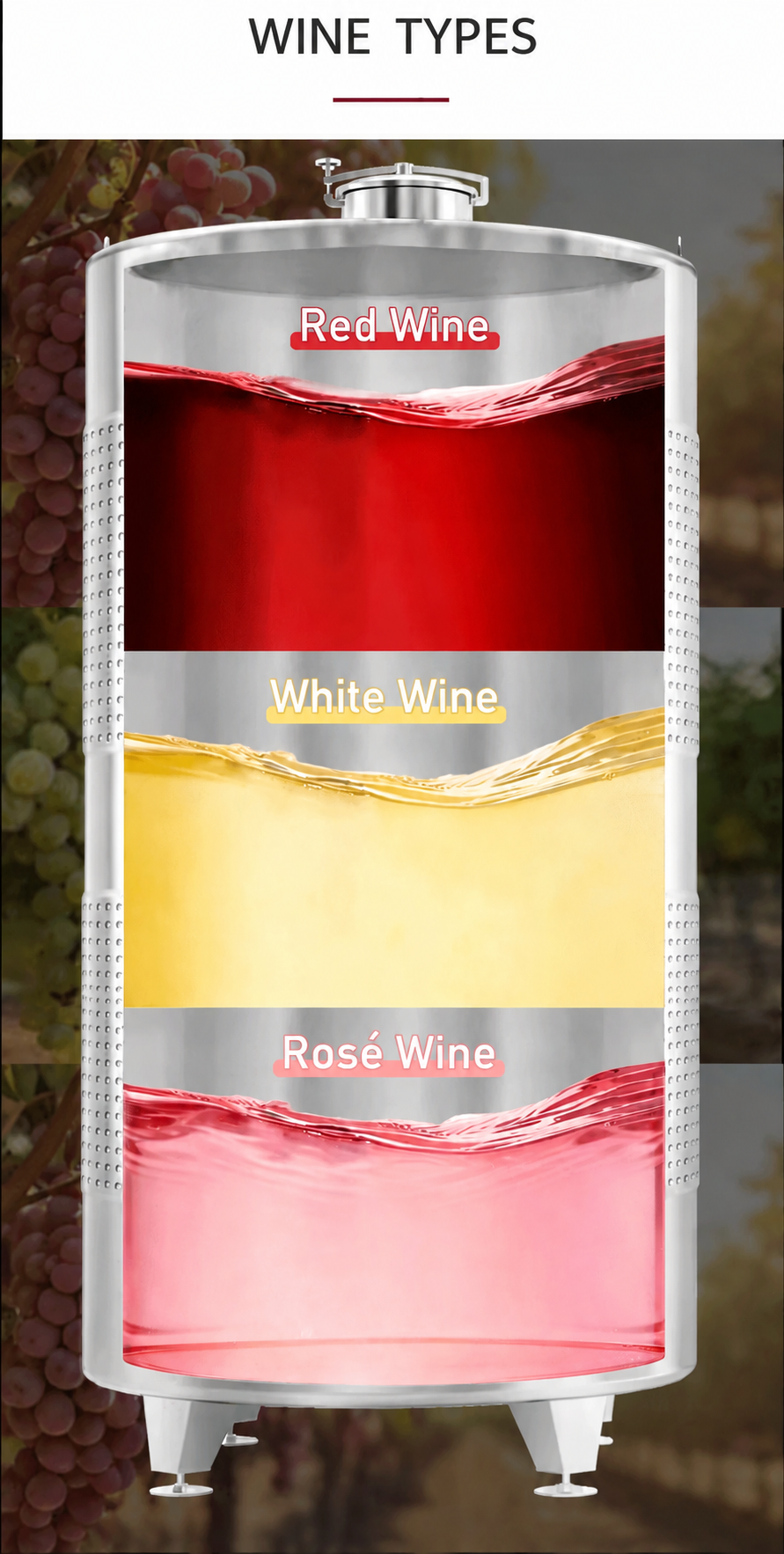
Capacity from 500L to 50000L per batch, custom-made for small, medium and large winery projects. Suitable for red wine, white wine, rosé wine and various fruit wine production.
Main Components and Process Flow
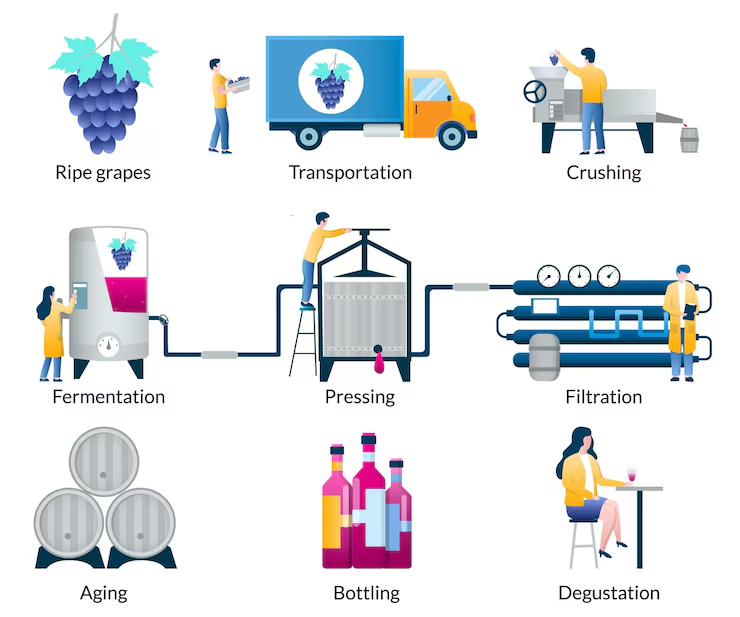
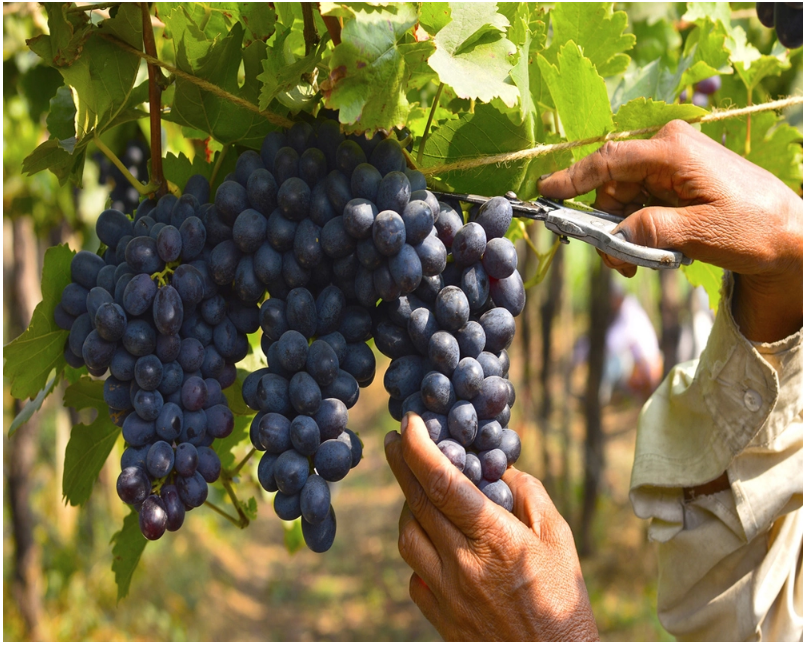
1. Grape Reception & Pre-processing
● Grape receiving hopper
● Sorting table
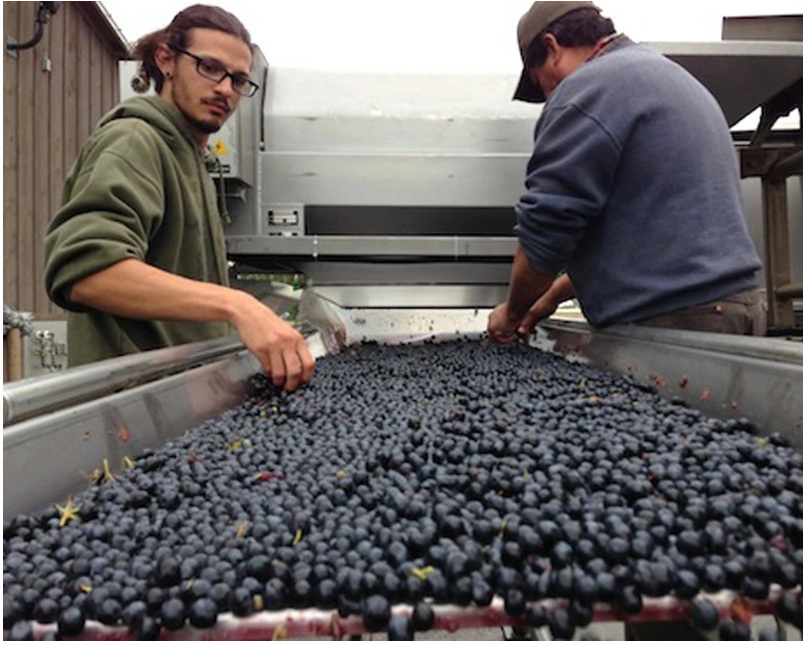
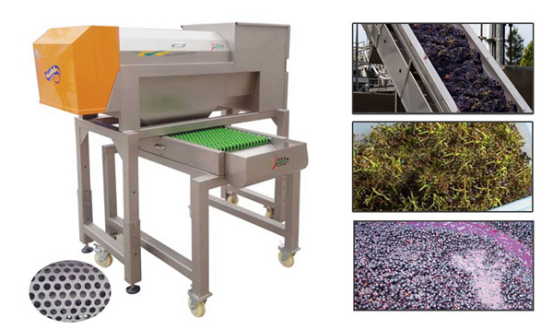
2.Grape Destemming & Crushing Equipment
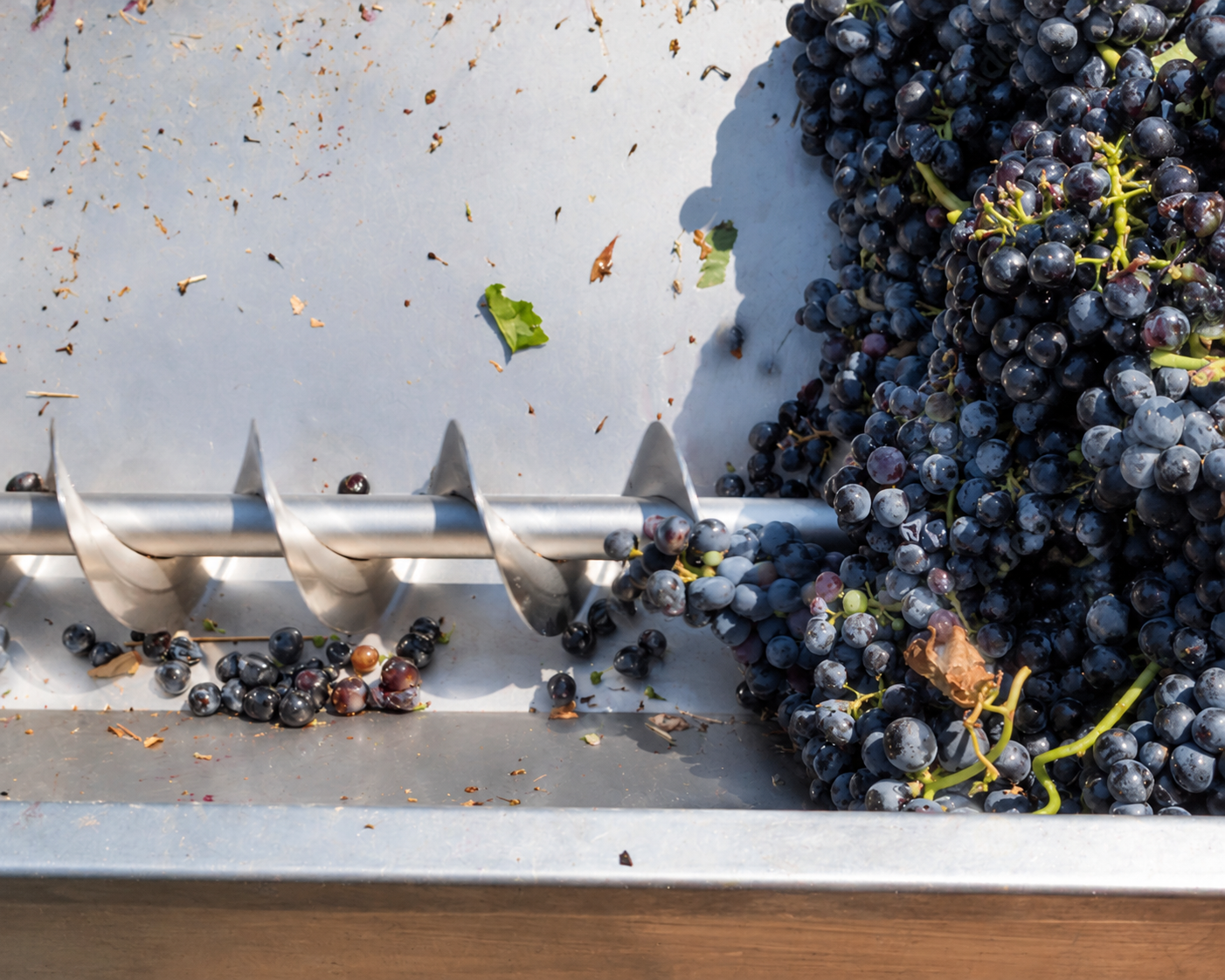
Grapes, the primary raw material for wine production, are normally transported via bins, trolleys, Screw Conveyors or belt conveyors. Crushing and destemming can be completed in one machine, or destemming may be performed prior to crushing.
3. Grape Must Transfer Equipment
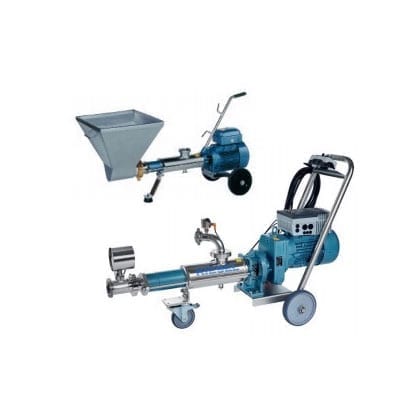
Lobe pumps are commonly used for grape must transfer. They are also suitable for conveying granular grapes, pomace and lees.
3. Conventional Fermentation Equipment
Traditional Fermentation vessels include the following types:
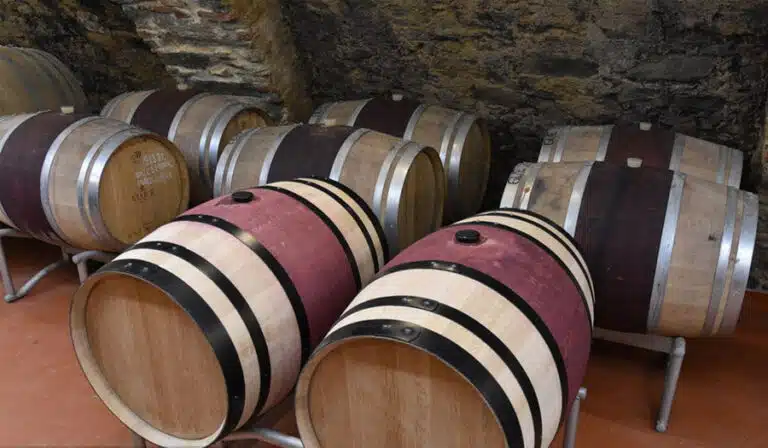
①Oak barrels: 2000-5000 L, fitted with internal open press plates.
② Fermentation concrete vats: square cement pools lined with non-toxic anti-corrosion coating, capacity 20 m³, wall thickness approx. 20 cm. Press plates can be mounted on the top. Cooling units and spraying systems are optional.
③ Jacketed fermentation tanks: refrigerant circulates inside the outer jacket to control the temperature of fermenting must.
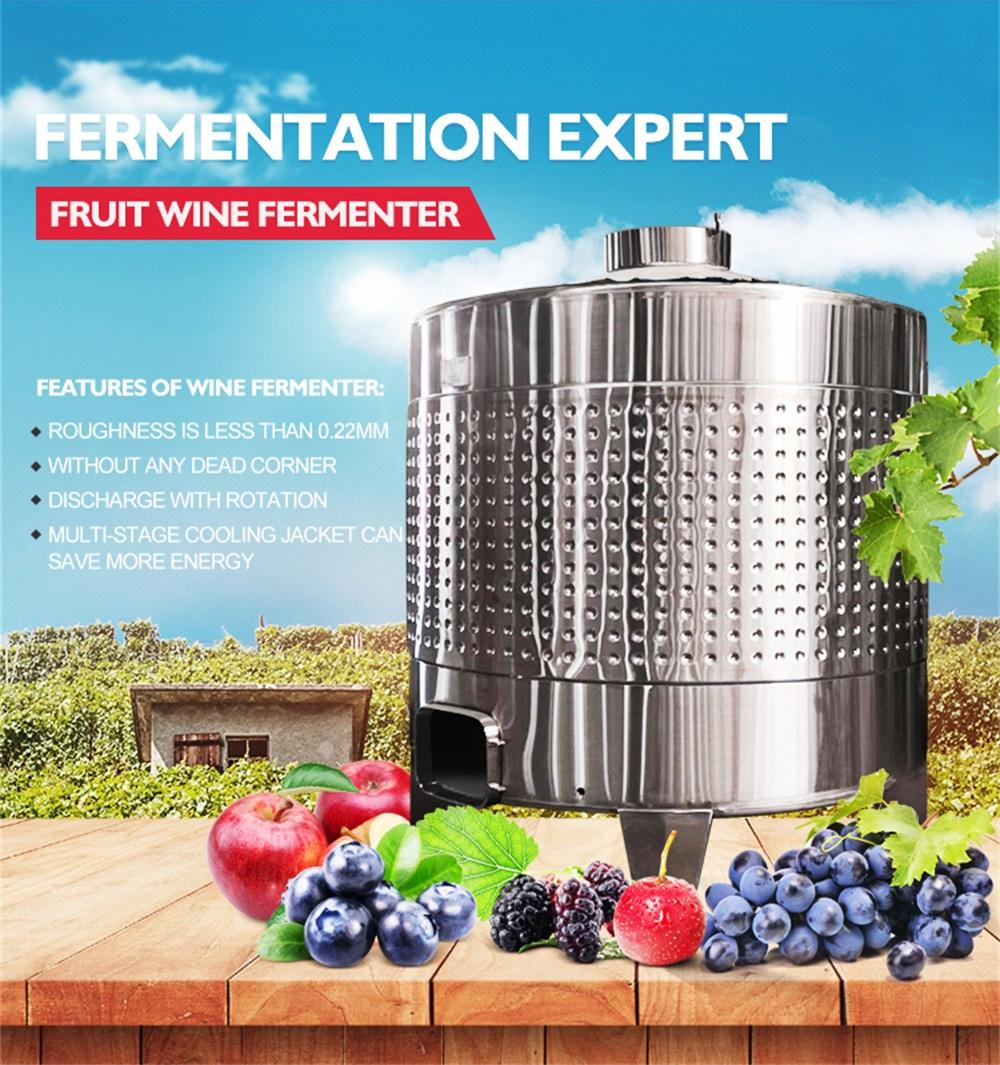
4. Modern Fermentation Equipment
① Advanced red-wine fermenter tank: The top tank pipe diameter is smaller than the horizontal opening of the main tank. A pump sprays wine drawn from the bottom feed pipe back into the tank. After liquid-pomace separation, free-run wine is pumped out first. Then the bottom scraper motor is activated to discharge pomace through the bottom outlet into a screw conveyor.
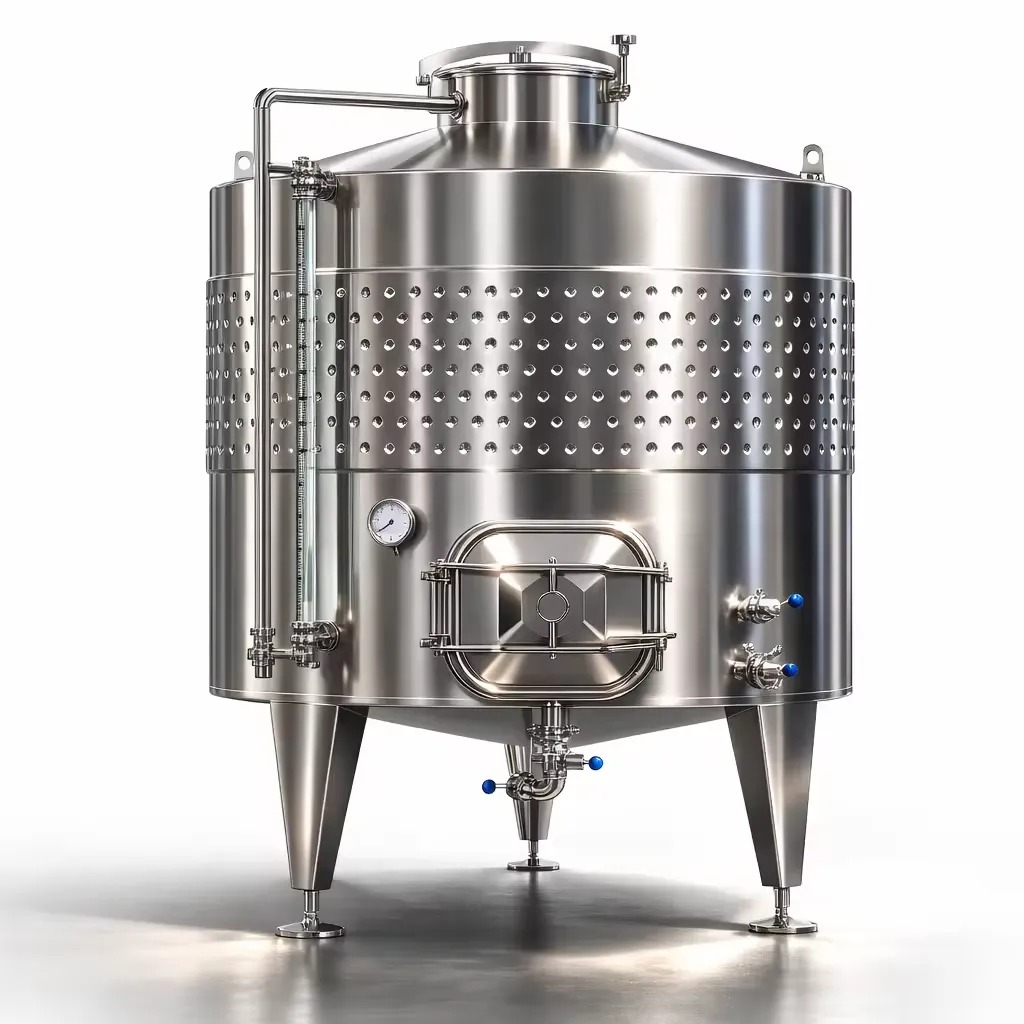
② Horizontal rotary fermentation tank: Consists of support frame, tank body, drive assembly and screw conveyor. The horizontally rotatable tank is equipped with thermometers, pressure gauges and safety valves, together with cooling devices and filter plates.
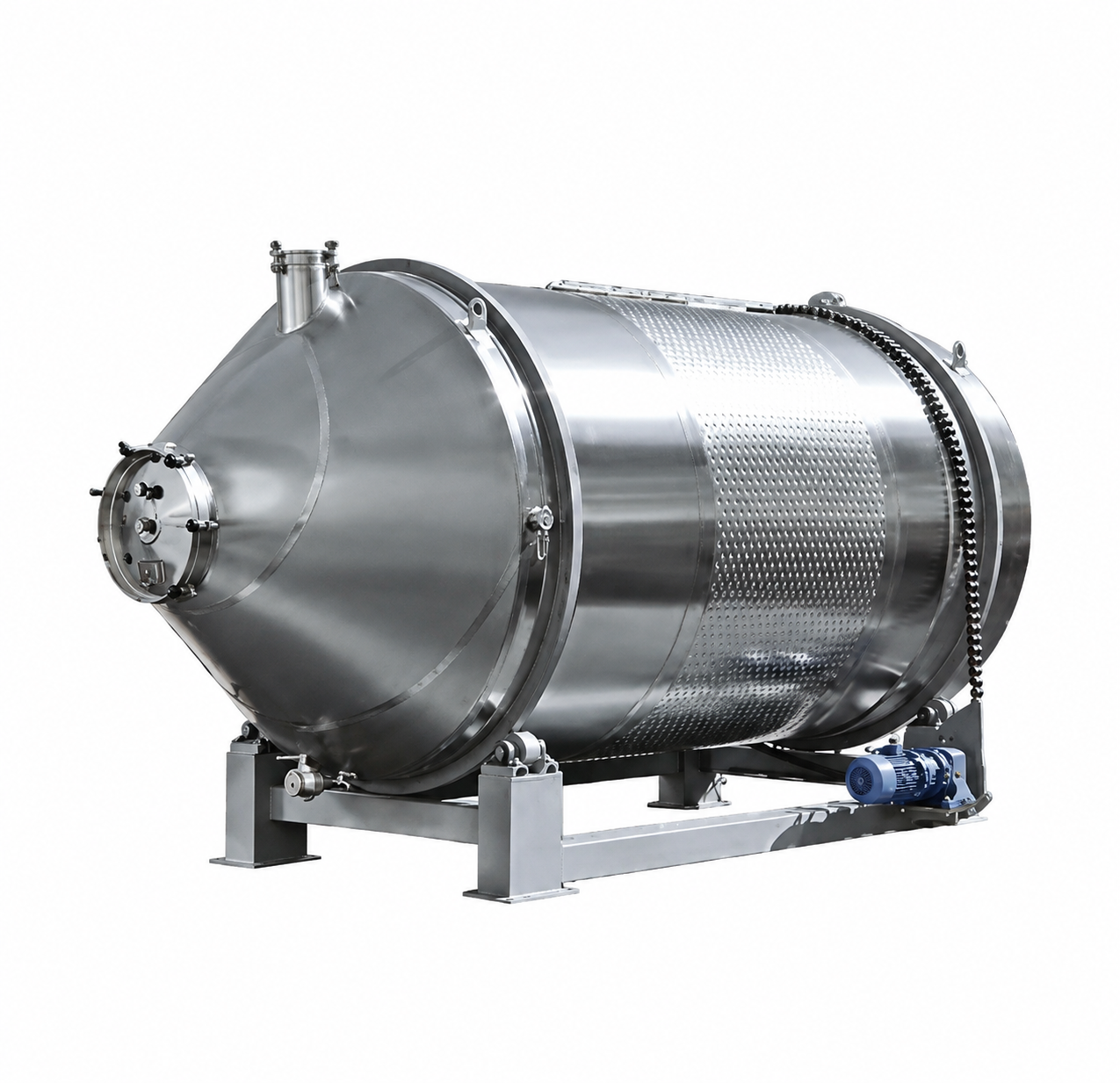
5. Pressing Equipment
① Intermittent basket-type screw press: Composed of basket, pressing plate, base and drive unit; suitable for small-scale plants.
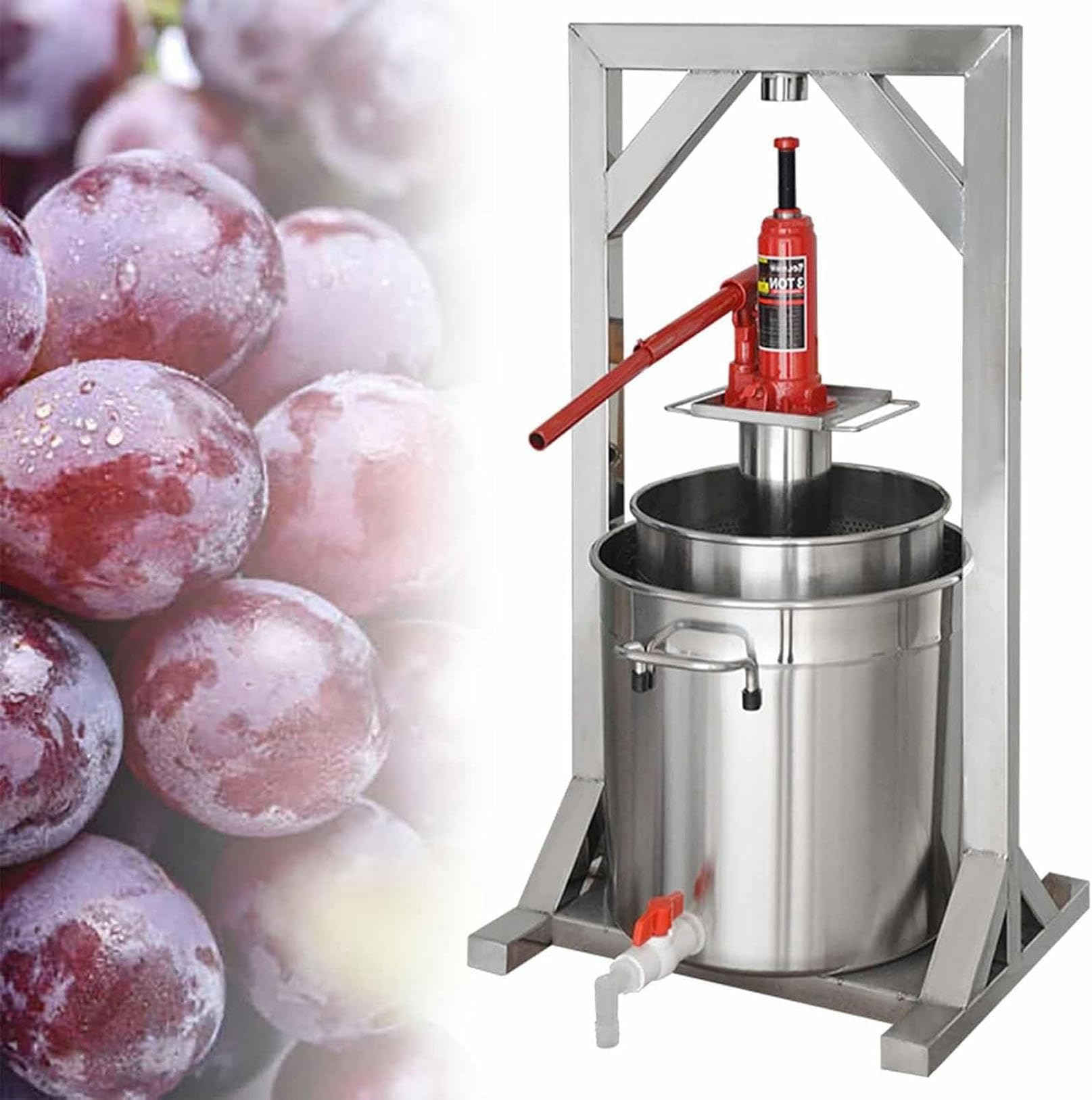
Horizontal double-pressure intermittent press comprises frame, basket, dual-press assembly, transmission and automatic control system.
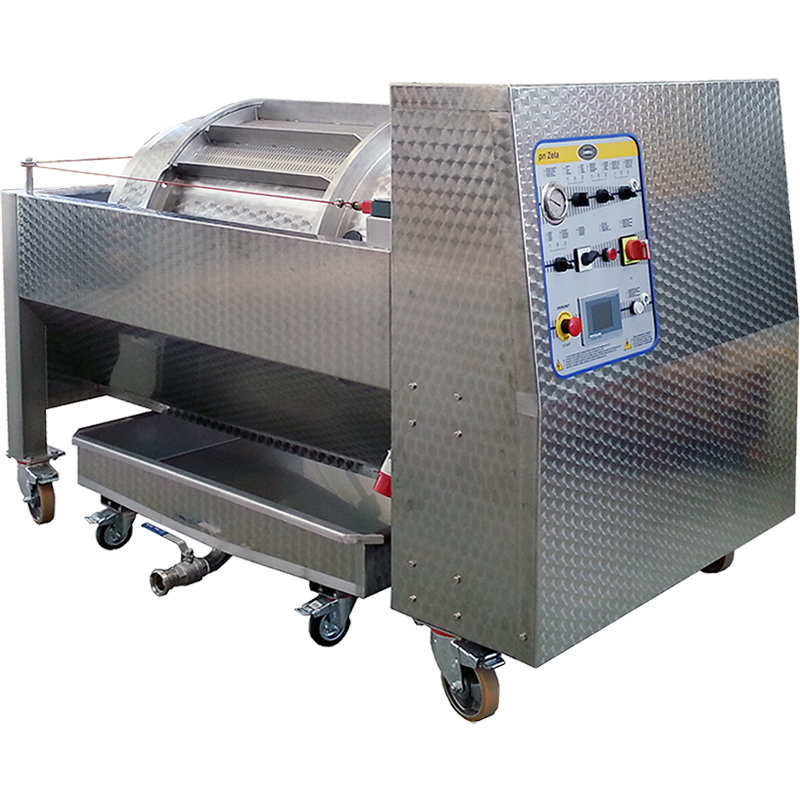
③ Continuous press: Widely used for pressing grape must and pre-fermented pomace. Features continuous feeding and discharging, large daily throughput and high juice yield with good quality, ideal for large-scale factories.
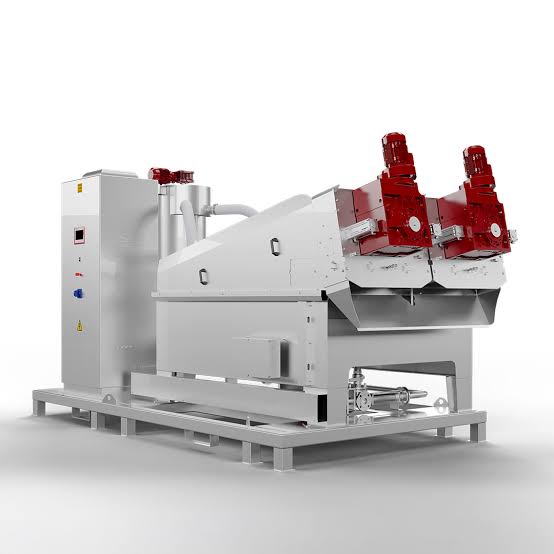
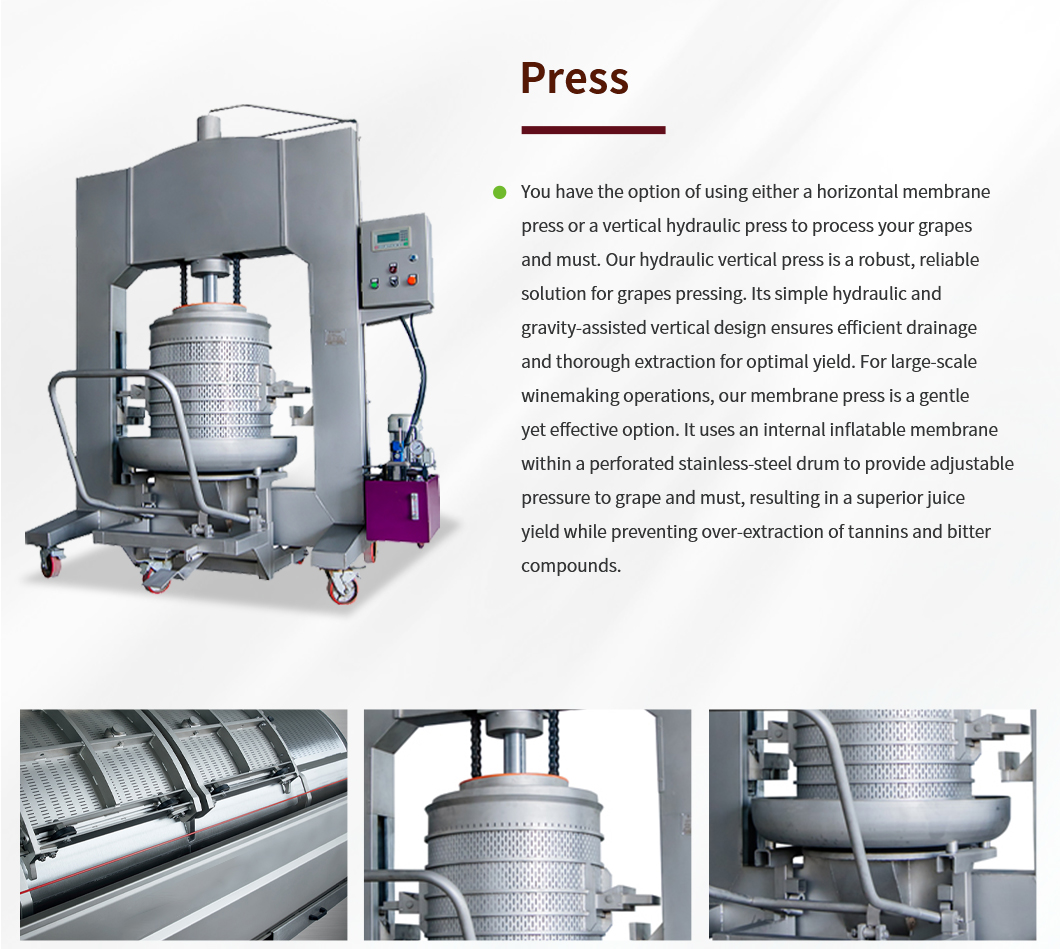
④ Pneumatic bladder press: Made up of frame, rotating tank, drive system and PLC control system. It integrates the functions of juice separator and grape press. Bladder presses manufactured by Italy-based Diemme are widely adopted across Europe.
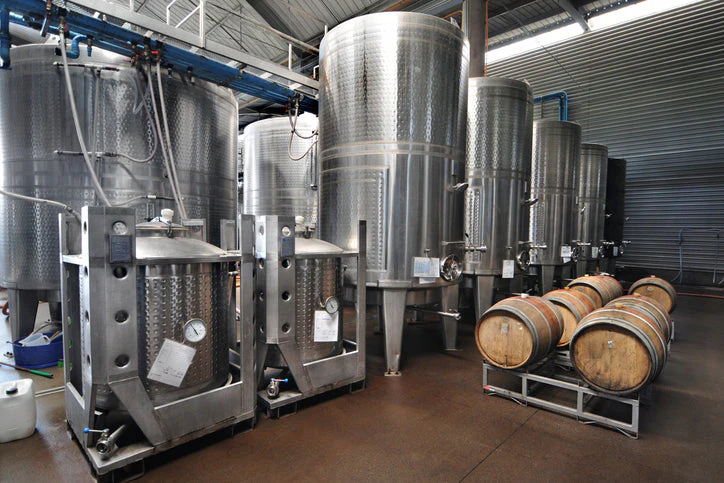
6. Wine Storage Equipment
① Oak barrels: Generally drum-shaped or oval.
② Concrete vats: Capacity ranging from 10 000 L to 200 000 L.
③ Metallic tanks: Ordinary carbon-steel tanks (Q235), height-to-diameter ratio 1:(1.5-2.5), for large vessels 1:(3-4), typical capacity 5 000-50 000 L. Stainless-steel tanks adopt AISI 314 (1Cr18Ni9Ti).
④ FRP (fiberglass-reinforced plastic) tanks: Approx. 50 kL capacity, height-to-diameter ratio 1:2, widely used in France.
7. Post-Processing Equipment
① Sugar dissolving tank: Special vessel for syrup preparation.
② Wine blending tank: Fitted with agitator; centrifugal pumps handle wine in-and-out transfer.
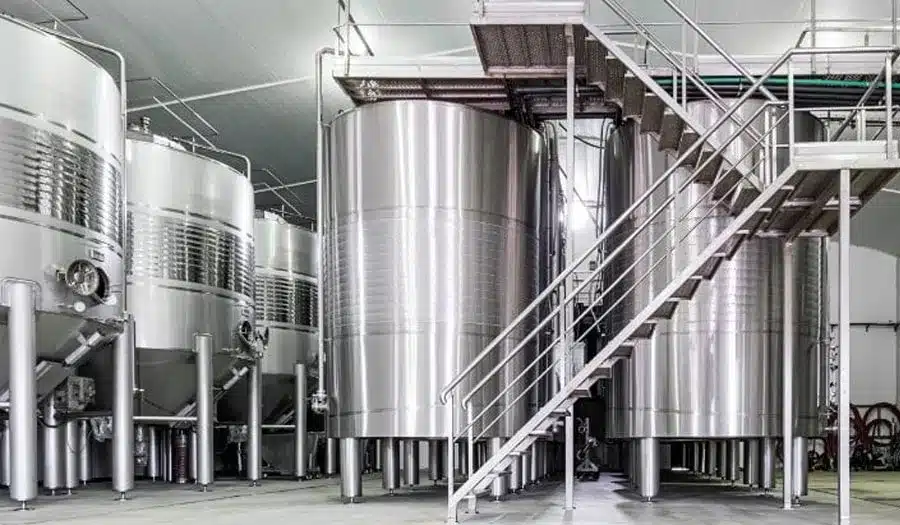
8. Cooling & Heating Equipment
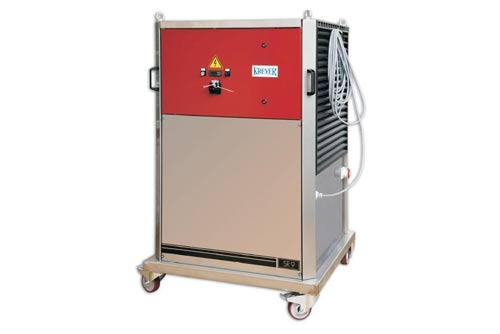
Cooling equipment
Laminated cooling tanks; chilled storage tanks with cooling coils and agitators; tubular heat exchangers, tank chillers, plate heat exchangers; wine stabilization systems.
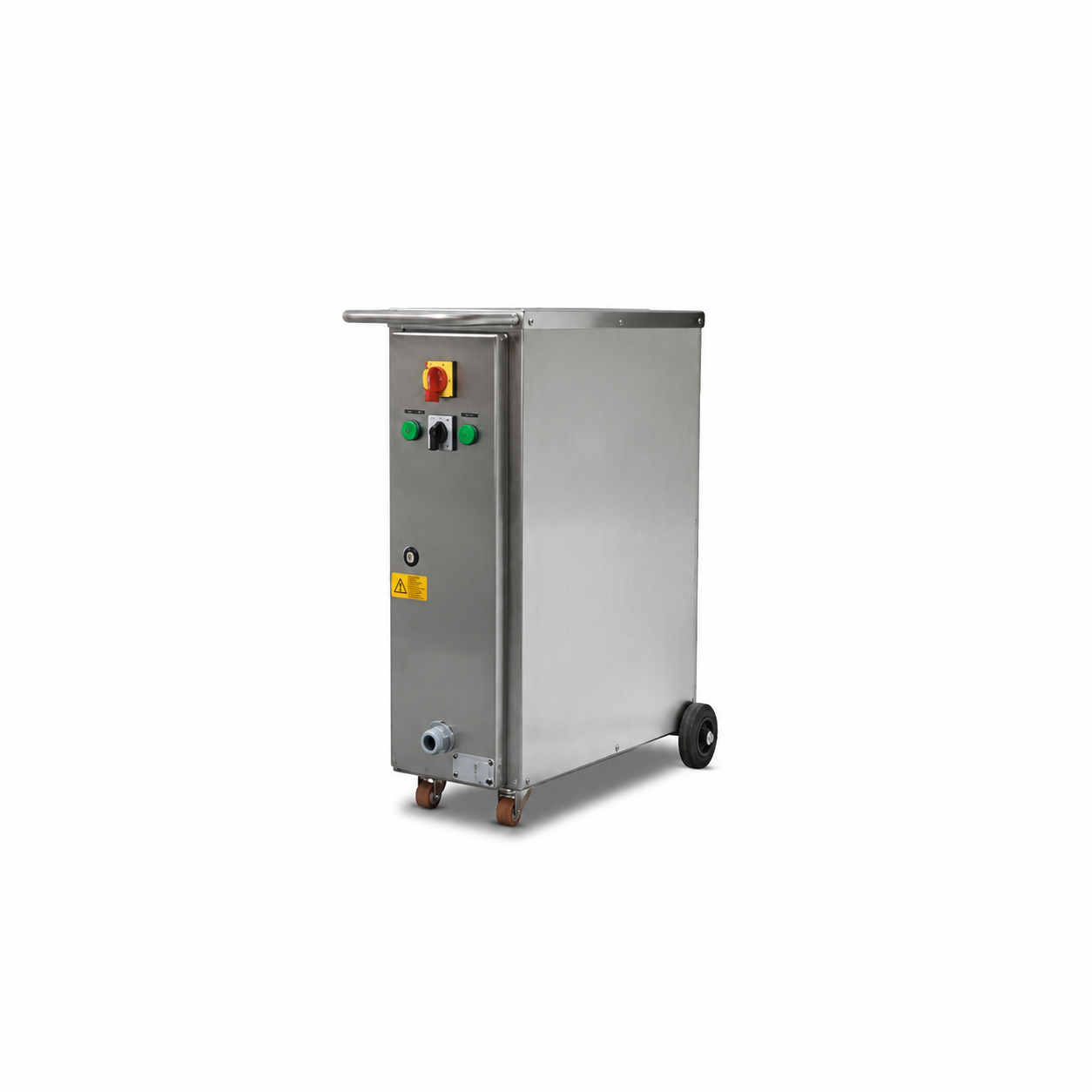
Thermal-treatment equipment
Jacketed sealed tanks or vessels equipped with serpentine coils, column-type tubes or plate heaters are commonly used for heat treatment.
9.Ion-exchange column
Height-to-diameter ratio 1:(1.5-3.0), stainless-steel construction. Inlet and outlet valves are installed on the upper section; sight glasses are fitted on upper and lower halves. Sieve plates with molecular caps (nozzles) are mounted at both ends. The bottom molecular-cap section is filled with 30-40 cm layer of glass beads or quartz packing.
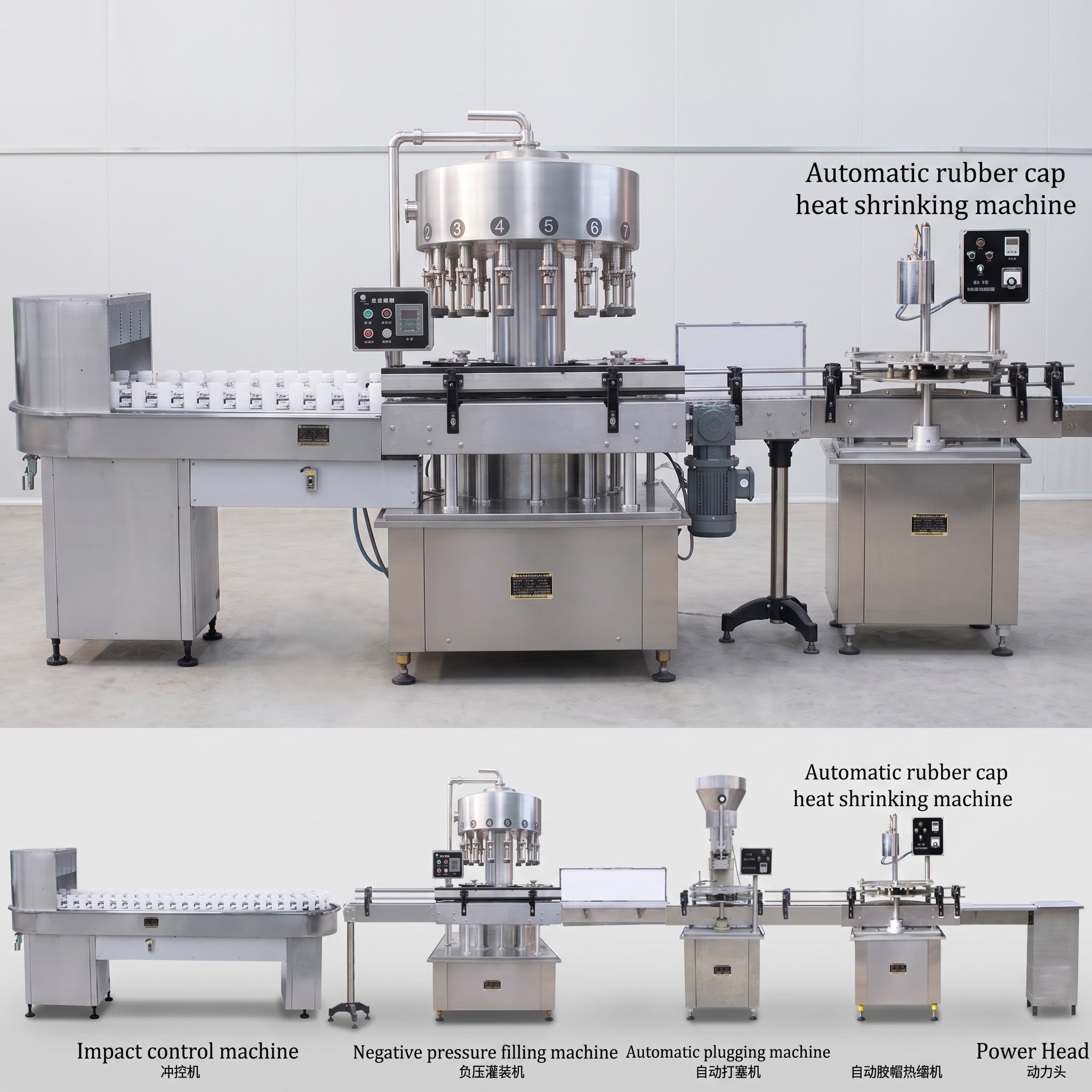
10. Packaging Equipment
① Bottle washer: Manual, semi-automatic and fully-automatic models available.
② Bottle inspector: Consists of light source, optical system and electronic sorting unit.
③ Bottle sterilizer: Semi-automatic and fully-automatic types (high-automation packaging lines integrate bottle washing and sterilization).
④ Wine filling machine: Semi-automatic and fully-automatic versions, covering isobaric filling and negative-pressure filling technologies.
Finished Products and nutritional value
Grape wine/vinegar is rich in amino acids, including eight essential amino acids that the human body cannot synthesize on its own and must obtain from food. It also contains various sugars such as glucose, fructose and maltose. Grape wine/vinegar contains abundant organic acids, dominated by acetic acid, followed by lactic acid, pyruvic acid, formic acid, malic acid, citric acid and others.
Our Main Product Categories
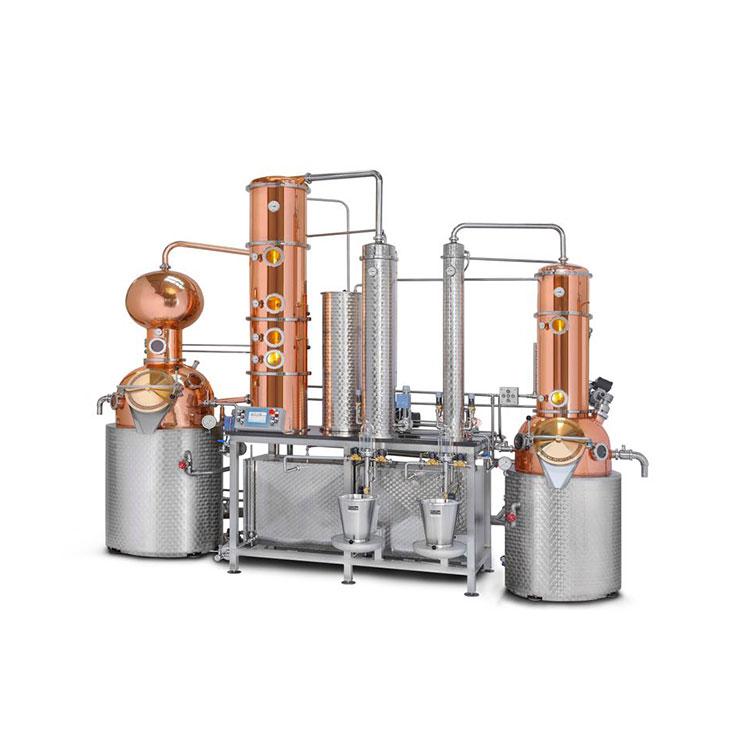
White-wine distillation equipment, spirit production systems, alcohol production machines, brandy distillation units, gin processing equipment, rum manufacturing machinery
Craft beer equipment, beer brewing machines, brewery systems, stainless-steel tanks Beer brewing machinery Brewing systems, mashing systems, mash tun, brew kettle
Home-use brewing equipment, brewing systems, micro-brewery systems
Industrial-grade brewing equipment & commercial beer brewing systems for sale
Conical fermentation tanks, beer fermenters, Beer fermentation cellars, glycol-jacketed Conical fermenters
Small-size brewing equipment, copper distillation stills, pub-scale brewing gear, bar & pub beer brewing kits Other beer brewing sets
FAQ
1. Are you a factory or trading company?
We are a factory
2. How long is the warranty period?
One year
3. What's the main market of your company?
We have customers all over the world
4.What's your delivery time?
Normally it is around 30 days, the exact time depends on product type and quantity.
5. What's the payment terms?
TT, LC, etc
6. Can we visit your factory?
Welcome to visit our factory!
Fruit Wine & Red Wine Fermentation Equipment: Complete Guide for Modern Wine Production
Introduction to Fruit Wine & Red Wine Fermentation Equipment
Fruit wine and red wine production has evolved significantly with the advancement of fermentation technology. Modern fruit wine & red wine fermentation equipment enables wineries, beverage manufacturers, agricultural processing facilities, and commercial wine producers to achieve consistent quality, higher productivity, and improved process control.
Fermentation is the most critical stage in wine production. During this process, yeast converts sugars into alcohol, carbon dioxide, and a wide range of flavor compounds. The quality of the fermentation equipment directly influences wine aroma, taste, color stability, alcohol content, and overall product consistency.
Fruit wine & red wine fermentation equipment is designed to provide a controlled environment where temperature, pressure, oxygen exposure, and fermentation time can be accurately managed. Whether producing grape wine, apple wine, blueberry wine, strawberry wine, cherry wine, peach wine, or other fruit-based alcoholic beverages, modern fermentation systems help manufacturers optimize production efficiency while maintaining product quality.
This guide explores the features, applications, specifications, advantages, and selection considerations of fruit wine & red wine fermentation equipment.
What Is Fruit Wine & Red Wine Fermentation Equipment?
Fruit wine & red wine fermentation equipment refers to specialized processing vessels and integrated systems used to convert fruit juice or grape must into wine through controlled microbial fermentation.
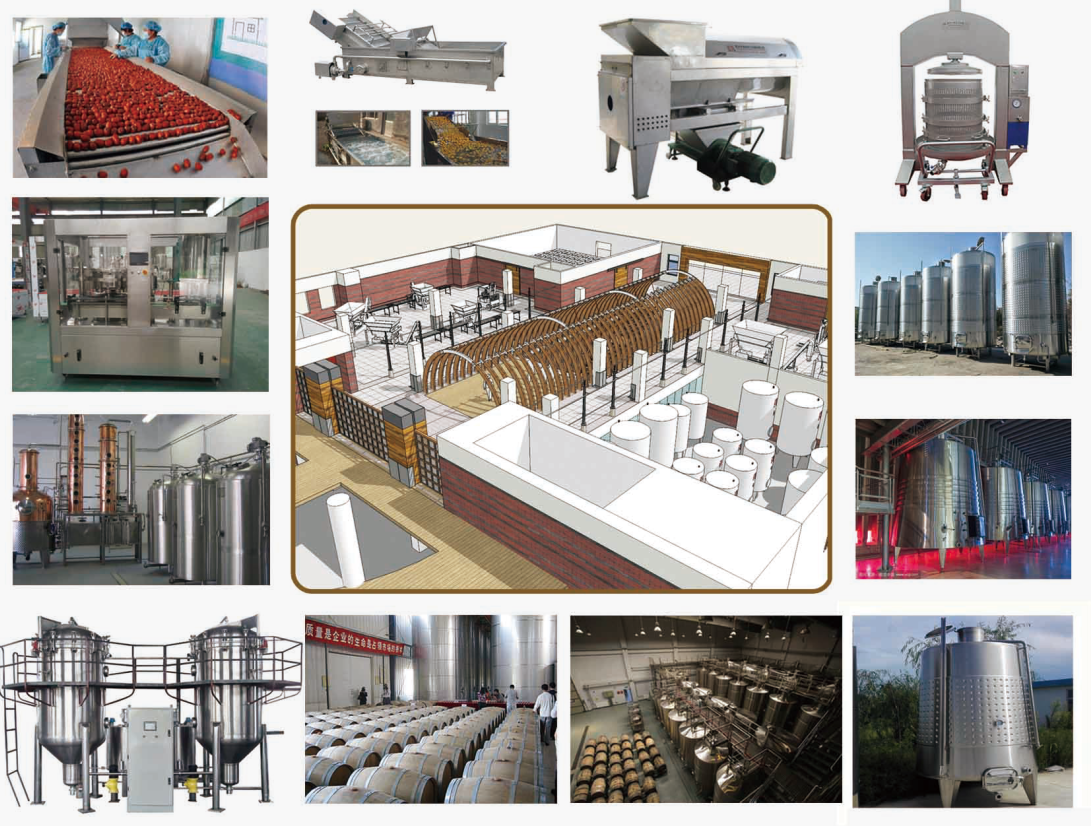
The equipment generally consists of:
·
Fermentation tanks
·
·
Temperature control systems
·
·
Cooling jackets
·
·
Mixing systems
·
·
CIP Cleaning Systems
·
·
Pressure control devices
·
·
Monitoring instruments
·
·
Automated control units
·
·
Transfer pipelines
·
·
Sampling valves
·
These systems are designed to maintain ideal fermentation conditions throughout the wine production process.
Importance of Fermentation Equipment in Wine Production
The fermentation stage determines many key wine characteristics.
Key Functions
Function | Purpose |
Temperature Control | Maintains ideal yeast activity |
Oxygen Management | Prevents oxidation |
Pressure Regulation | Ensures safe fermentation |
Sanitary Processing | Prevents contamination |
Mixing and Homogenization | Improves fermentation consistency |
Process Monitoring | Tracks fermentation progress |
Product Stability | Ensures uniform quality |
Without proper fermentation equipment, wine producers may face:
·
Inconsistent alcohol content
·
·
Off-flavors
·
·
Oxidation
·
·
Bacterial contamination
·
·
Reduced production efficiency
·
·
Product loss
·
Main Types of Wine Fermentation Equipment
Open Fermentation Tanks
Open fermenters are commonly used for certain traditional red wine fermentation processes.
Advantages
·
Easy cap management
·
·
Convenient manual operation
·
·
Suitable for small-scale wineries
·
·
Traditional winemaking style
·
Limitations
·
Higher contamination risk
·
·
Greater oxidation exposure
·
·
Limited automation
·
Closed Fermentation Tanks
Closed fermentation systems are widely used in modern wineries.
Benefits
·
Better hygiene
·
·
Reduced contamination
·
·
Precise process control
·
·
Improved product consistency
·
·
Lower oxygen exposure
·
Jacketed Fermentation Tanks
Jacketed tanks feature external cooling or heating jackets.
Functions
·
Precise temperature management
·
·
Stable fermentation conditions
·
·
Energy-efficient operation
·
These tanks are widely used for:
·
Red wine fermentation
·
·
White wine fermentation
·
·
Fruit wine production
·
·
Sparkling wine processing
·
Variable Capacity Fermentation Tanks
Variable capacity tanks feature adjustable floating lids.
Applications
·
Small batch production
·
·
Seasonal fruit wine processing
·
·
Experimental wine production
·
Components of Fruit Wine & Red Wine Fermentation Equipment
The vessel serves as the primary fermentation chamber.
Common Materials
Material | Characteristics |
SUS304 Stainless steel | Economical and durable |
SUS316 Stainless Steel | Higher corrosion resistance |
Food-Grade Alloy Steel | Specialized applications |
Stainless steel remains the most popular choice due to its hygiene and durability.
Cooling Jacket
The cooling jacket helps regulate fermentation temperatures.
Benefits
·
Prevents overheating
·
·
Protects yeast performance
·
·
Enhances flavor preservation
·
·
Improves color extraction
·
Agitation System
Mixing systems improve fermentation uniformity.
Functions
·
Uniform temperature distribution
·
·
Enhanced yeast activity
·
·
Better nutrient distribution
·
Temperature Sensors
Modern equipment integrates digital temperature monitoring.
Features
·
Real-time temperature tracking
·
·
Automatic control
·
·
Data recording
·
·
Alarm systems
·
Sampling Valve
Sampling valves allow operators to collect product samples without contamination.
Benefits
·
Easy quality control
·
·
Reduced product loss
·
·
Improved hygiene
·
Pressure Relief System
Pressure control devices ensure safe operation.
Functions
·
Prevent overpressure
·
·
Protect equipment
·
·
Enhance operational safety
·
Fruit Wine Production Process
Step 1: Fruit Selection
Common fruits include:
·
Apples
·
·
Blueberries
·
·
Strawberries
·
·
Cherries
·
·
Peaches
·
·
Pears
·
·
Plums
·
·
Blackberries
·
High-quality raw materials produce superior wine.
Step 2: Washing and Sorting
Objectives:
·
Remove impurities
·
·
Eliminate damaged fruit
·
·
Improve product quality
·
Step 3: Crushing and Pulping
Fruit is crushed to release juice and fermentable sugars.
Step 4: Juice Extraction
Mechanical extraction systems separate juice from solids.
Step 5: Sugar Adjustment
Sugar levels may be adjusted to achieve target alcohol content.
Step 6: Yeast Inoculation
Selected wine yeast strains are introduced.
Step 7: Fermentation
Fermentation occurs inside controlled fermentation tanks.
Typical Conditions
Parameter | Range |
Temperature | 18-30°C |
Fermentation Time | 7-30 Days |
Alcohol Content | 5-18% |
pH Value | 3.0-4.0 |
Step 8: Clarification
Wine is clarified through settling or filtration.
Step 9: Aging
Depending on wine style, aging may continue for weeks or months.
Step 10: Bottling
Finished wine is packaged for distribution.
Red Wine Fermentation Process
Grape Reception
Fresh grapes arrive from vineyards and undergo quality inspection.
Destemming and Crushing
The grapes are processed to separate stems from berries.
Must Preparation
The grape must contains:
·
Juice
·
·
Skins
·
·
Seeds
·
·
Pulp
·
Alcoholic Fermentation
Yeast converts sugars into alcohol.
Typical Conditions
Parameter | Value |
Temperature | 22-30°C |
Fermentation Time | 5-15 Days |
Sugar Content | 20-25 Brix |
Alcohol Yield | 11-15% |
Cap Management
Red wine fermentation requires cap management techniques.
Methods include:
·
Punch-down
·
·
Pump-over
·
·
Rotary mixing
·
Pressing
After fermentation, wine is separated from skins.
Malolactic Fermentation
Secondary fermentation improves wine stability and smoothness.
Aging and Storage
Wine is matured before packaging.
Key Features of Modern Fermentation Equipment
Automated Temperature Control
Advanced control systems maintain precise fermentation temperatures.
Benefits:
·
Stable fermentation
·
·
Consistent flavor
·
·
Improved quality
·
PLC Automation
PLC systems provide:
·
Automatic operation
·
·
Process monitoring
·
·
Data collection
·
·
Alarm management
·
CIP Cleaning Systems
Clean-In-Place systems simplify sanitation.
Advantages:
·
Reduced labor
·
·
Faster cleaning
·
·
Improved hygiene
·
Energy-Efficient Design
Modern systems reduce:
·
Electricity consumption
·
·
Water usage
·
·
Operating costs
·
Modular Configuration
Modular systems allow future expansion.
Technical Specifications
Typical Fermentation Tank Specifications
Item | Specification |
Capacity | 500L – 50,000L |
Material | SUS304 / SUS316 |
Surface Finish | Mirror Polished |
Cooling Jacket | Dimple Jacket |
Design Pressure | 0.2-0.6 MPa |
Temperature Range | 0-40°C |
Insulation Thickness | 50-100 mm |
Control System | Manual / PLC |
Cleaning System | CIP Compatible |
Power Supply | Customizable |
Capacity Selection Guide
Small Winery

Daily Production | Recommended Capacity |
500-1,000 L | 1,000-2,000 L Tank |
Medium Winery
Daily Production | Recommended Capacity |
2,000-10,000 L | 5,000-20,000 L Tank |
Large Winery
Daily Production | Recommended Capacity |
20,000+ L | 30,000-50,000 L Tank |
Benefits of Stainless Steel Fermentation Equipment
Excellent Corrosion Resistance
Wine acids can be highly corrosive.
Stainless steel provides long-term durability.
Superior Hygiene
Smooth surfaces prevent bacterial growth.
Easy Maintenance
Minimal maintenance requirements reduce operating costs.
Long Service Life
Typical service life exceeds 15 years.
Applications of Fruit Wine & Red Wine Fermentation Equipment
Commercial Wineries
Large-scale wine production.
Fruit Processing Plants
Seasonal fruit wine manufacturing.
Agricultural Cooperatives
Value-added fruit processing.
Beverage Manufacturing Facilities
Alcoholic beverage diversification.
Research Institutions
Pilot-scale fermentation studies.
Quality Control During Fermentation
Temperature Monitoring
Continuous monitoring ensures yeast health.
Sugar Testing
Brix measurements track fermentation progress.
Alcohol Analysis
Determines production efficiency.
pH Monitoring
Maintains microbial stability.
Sensory Evaluation
Evaluates flavor development.
Common Fermentation Challenges
Stuck Fermentation
Causes
·
Nutrient deficiency
·
·
Temperature fluctuations
·
·
Yeast stress
·
Solutions
·
Temperature adjustment
·
·
Nutrient supplementation
·
·
Yeast reactivation
·
Excessive Foam
Causes
·
High fermentation activity
·
·
Protein-rich must
·
Solutions
·
Antifoam control
·
·
Proper tank sizing
·
Oxidation
Prevention
·
Closed tanks
·
·
Inert gas protection
·
·
Proper sealing
·
Industry Trends in Wine Fermentation Equipment
Smart Fermentation Technology
Modern wineries increasingly adopt:
·
IoT monitoring
·
·
Remote control
·
·
Cloud data analysis
·
Automated Production
Automation improves:
·
Efficiency
·
·
Product consistency
·
·
Labor utilization
·
Sustainable Manufacturing
Energy-saving equipment reduces environmental impact.
Digital Traceability
Production data can be tracked throughout the process.
Installation Requirements
Foundation
Stable concrete foundations support equipment weight.
Utilities
Required utilities include:
·
Electricity
·
·
Water supply
·
·
Cooling system
·
·
Drainage
·
Environmental Conditions
Recommended installation environment:
Factor | Requirement |
Temperature | 5-35°C |
Humidity | <85% |
Ventilation | Good |
Lighting | Adequate |
Maintenance Recommendations
Daily Inspection
Check:
·
Valves
·
·
Temperature readings
·
·
Pressure indicators
·
Weekly Maintenance
Inspect:
·
Seals
·
·
Connections
·
·
Cooling systems
·
Monthly Maintenance
Verify:
·
Control systems
·
·
Sensors
·
·
Safety devices
·
Annual Maintenance
Conduct comprehensive equipment inspection.
How to Choose the Right Fruit Wine & Red Wine Fermentation Equipment
Production Capacity
Determine expected annual production volume.
Product Type
Different wines require different fermentation conditions.
Automation Level
Options include:
·
Manual operation
·
·
Semi-automatic operation
·
·
Fully automatic operation
·
Material Selection
SUS304 is suitable for most applications.
SUS316 offers enhanced corrosion resistance.
Budget Considerations
Evaluate:
·
Initial investment
·
·
Operating costs
·
·
Maintenance expenses
·
·
Future expansion plans
·
Frequently Asked Questions
What is the ideal fermentation temperature for red wine?
Most red wines ferment between 22°C and 30°C, depending on grape variety and desired flavor profile.
Can the same equipment produce different fruit wines?
Yes. Modern fermentation tanks can process multiple fruit wine varieties after proper cleaning and sanitation.
Why is temperature control important?
Temperature directly affects yeast activity, alcohol production, aroma retention, and wine quality.
What tank material is recommended?
Food-grade stainless steel, particularly SUS304 or SUS316, is the preferred material for commercial wine fermentation equipment.
How long does wine fermentation take?
Fermentation duration typically ranges from 7 to 30 days, depending on fruit type, sugar content, yeast strain, and processing conditions.
Conclusion
Fruit Wine & Red Wine Fermentation Equipment plays a vital role in modern wine production. From small boutique wineries to large industrial beverage facilities, advanced fermentation systems provide the precision, hygiene, efficiency, and consistency required for producing high-quality wines. By incorporating stainless steel construction, temperature control technology, automated monitoring systems, and sanitary design, modern fermentation equipment helps manufacturers optimize production while preserving the unique flavors and characteristics of fruit wines and red wines.
As global demand for premium wine products continues to grow, investing in reliable, efficient, and scalable fermentation equipment remains a key factor in achieving long-term success in the wine and beverage processing industry.
 +86 29-87031531



 Phone
Phone